2nd Oct - 6th October 2026
Prefer to camp instead of hotel stays? Some of our travellers do — inside their car, a roof-top tent, or a ground tent, making their own arrangements for stay and cooking.
The overlanding fee doesn't cover accommodation — it covers what we still provide on the road: convoy building, expedition accessories, and our support team enroute. It's charged per car, split however your group likes, and camping costs are yours to arrange and share.
Everything you need to know before hitting the road with us.
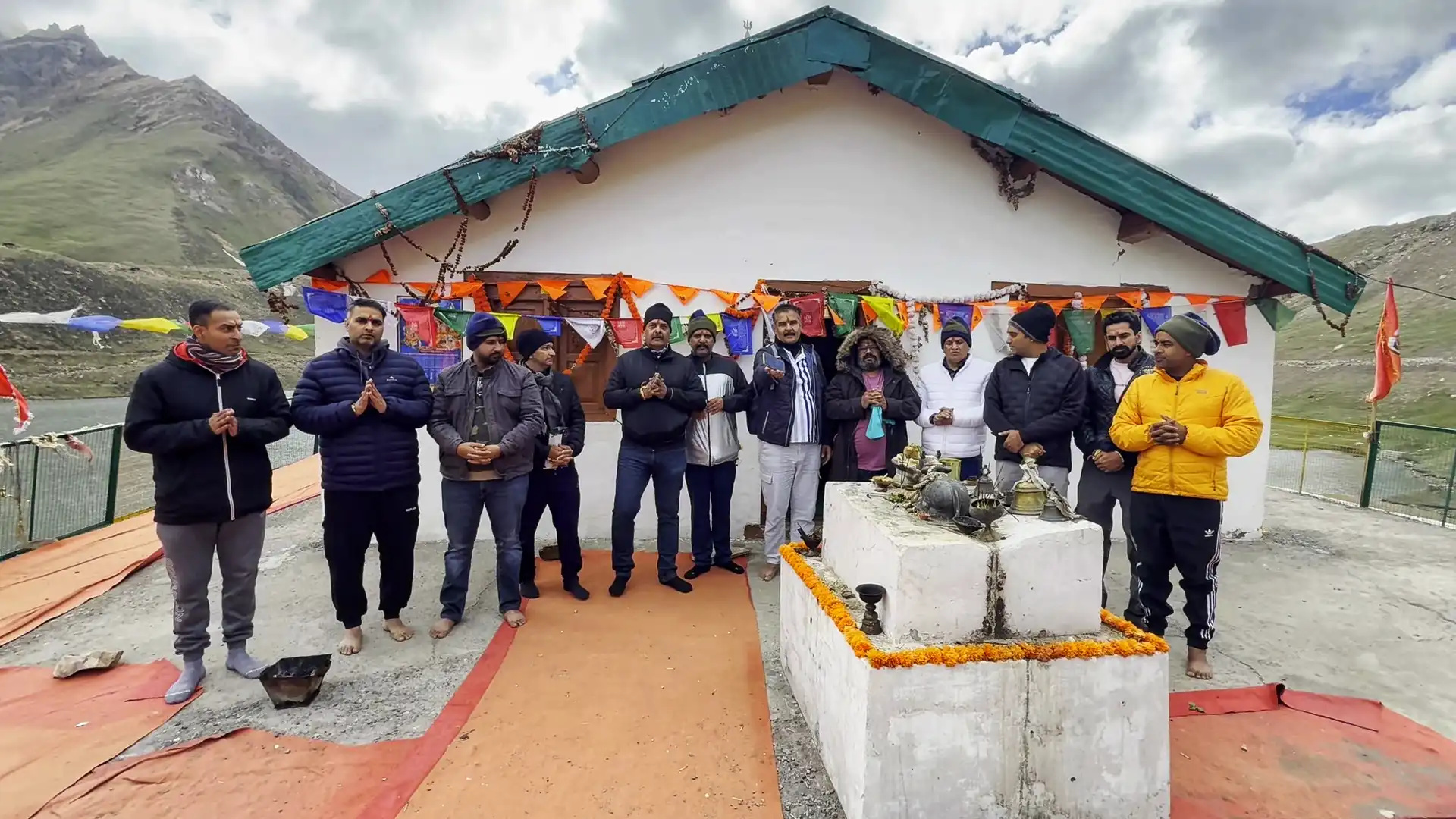
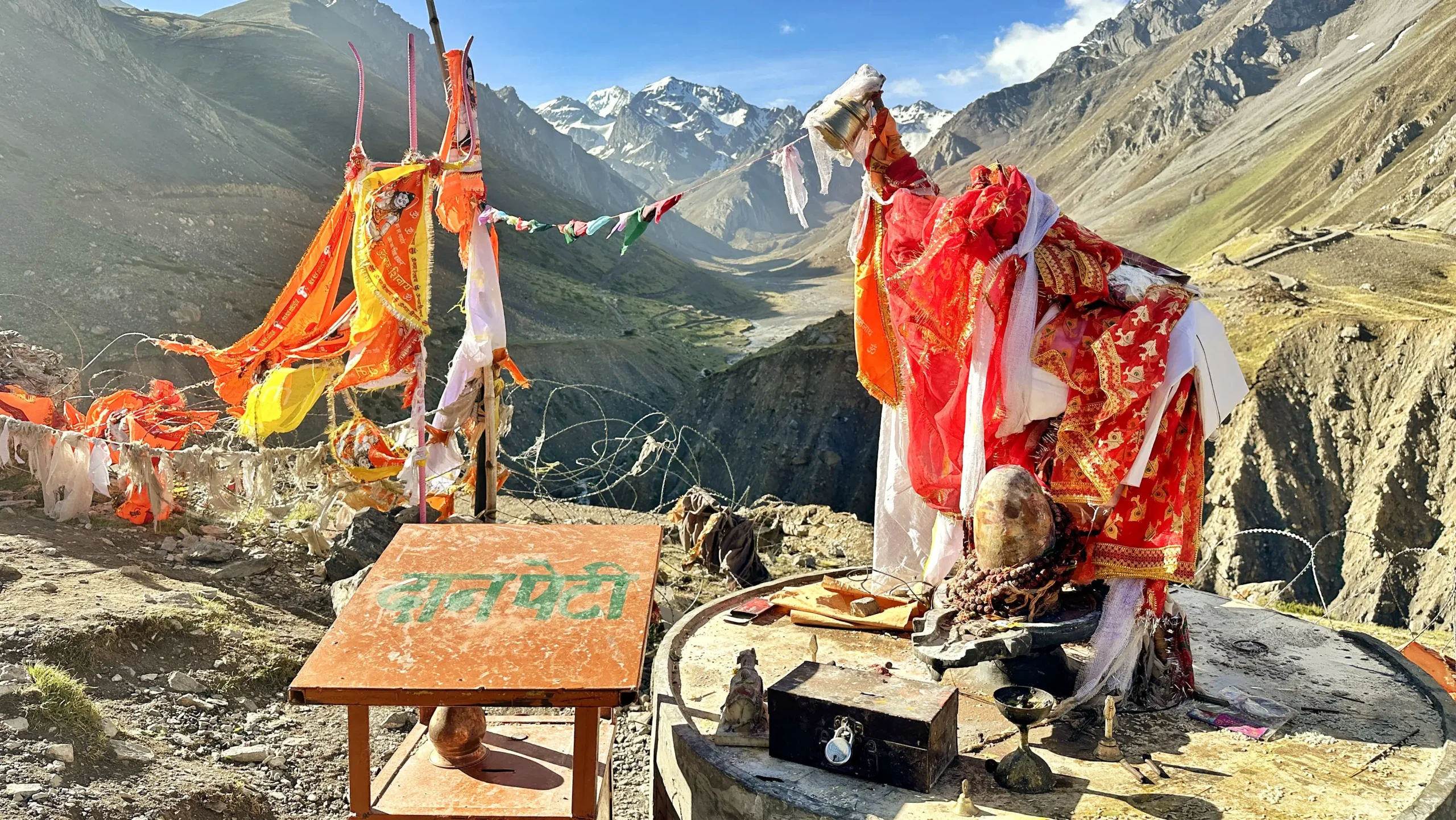
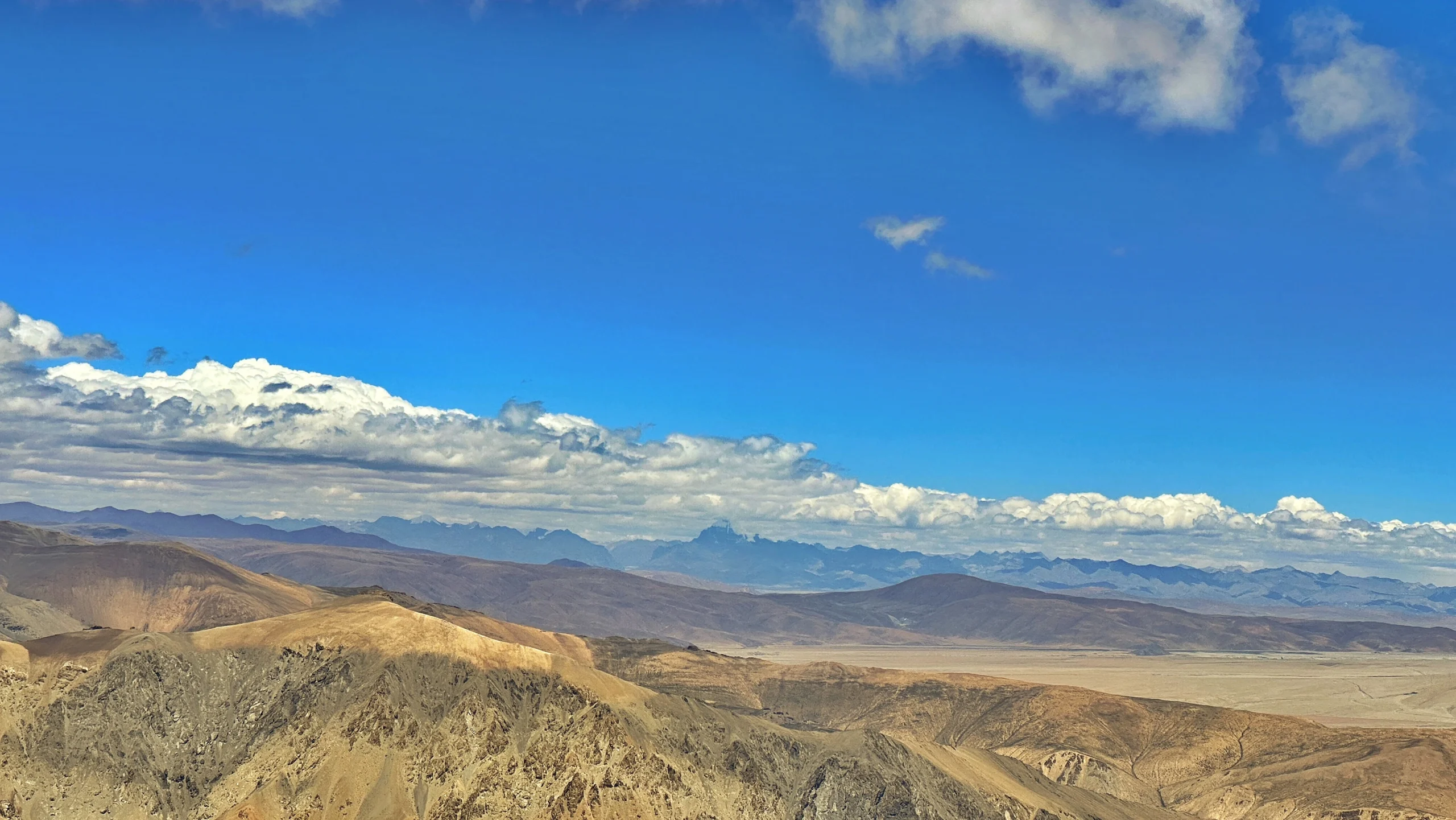
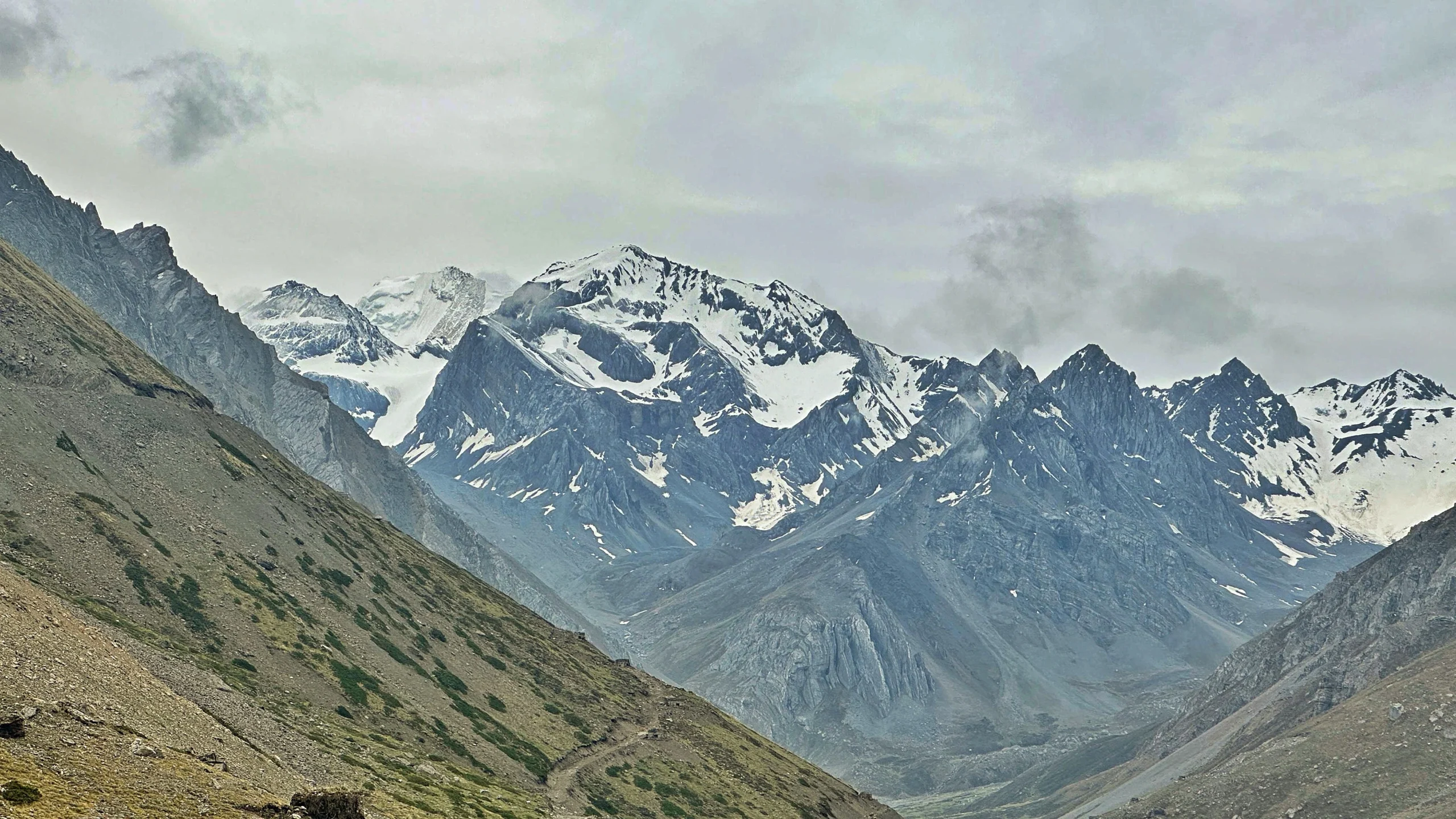
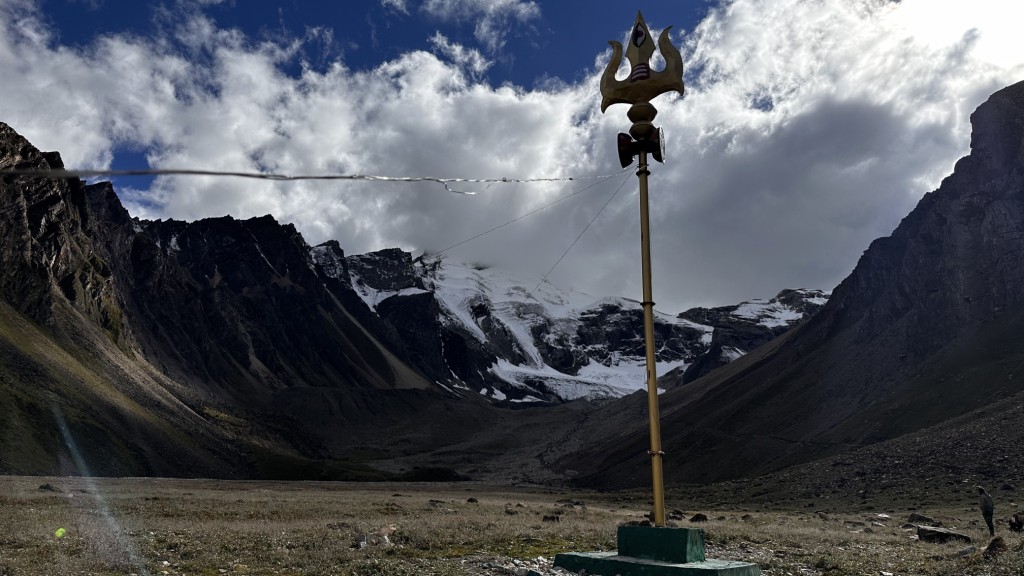
Adi Kailash is located in Pithoragarh district, Uttarakhand, near the Tibet border. It is considered the Indian equivalent of Mount Kailash and holds equal spiritual significance in Hindu tradition. Unlike Tibet, Adi Kailash is accessible to Indian nationals without international travel permits.
Om Parvat is a peak near Adi Kailash where natural snowfall forms the sacred Om symbol on the mountain face. This natural phenomenon attracts both pilgrims and adventure travellers. It is one of the most spiritually significant sights in the Indian Himalayas.
Yes. The route passes through an Inner Line Permit zone near the China border. Indian nationals must register for an ILP from the SDM office in Dharchula. FreeWheel handles all permit arrangements as part of the expedition. Foreign nationals require additional clearance.
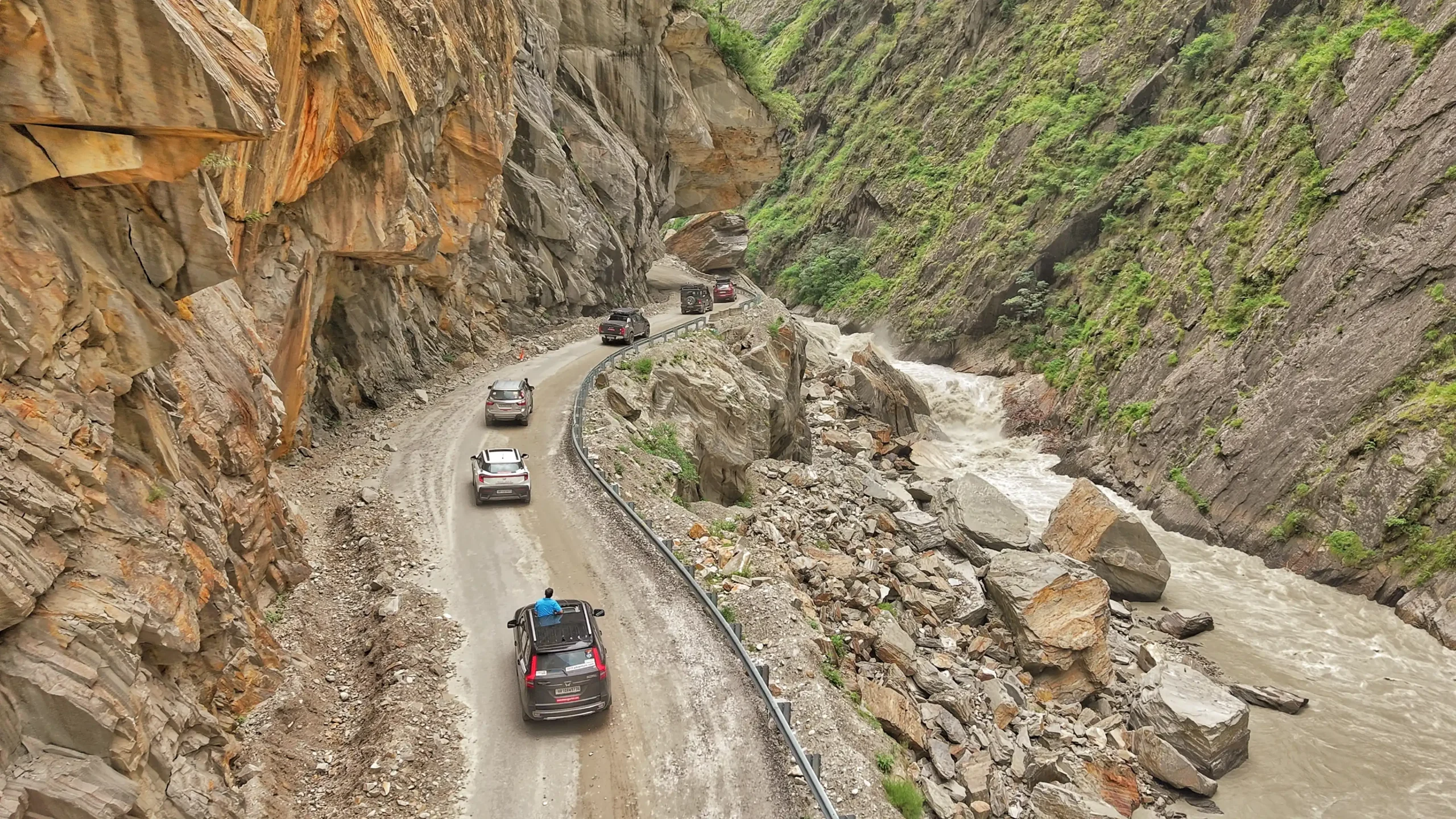
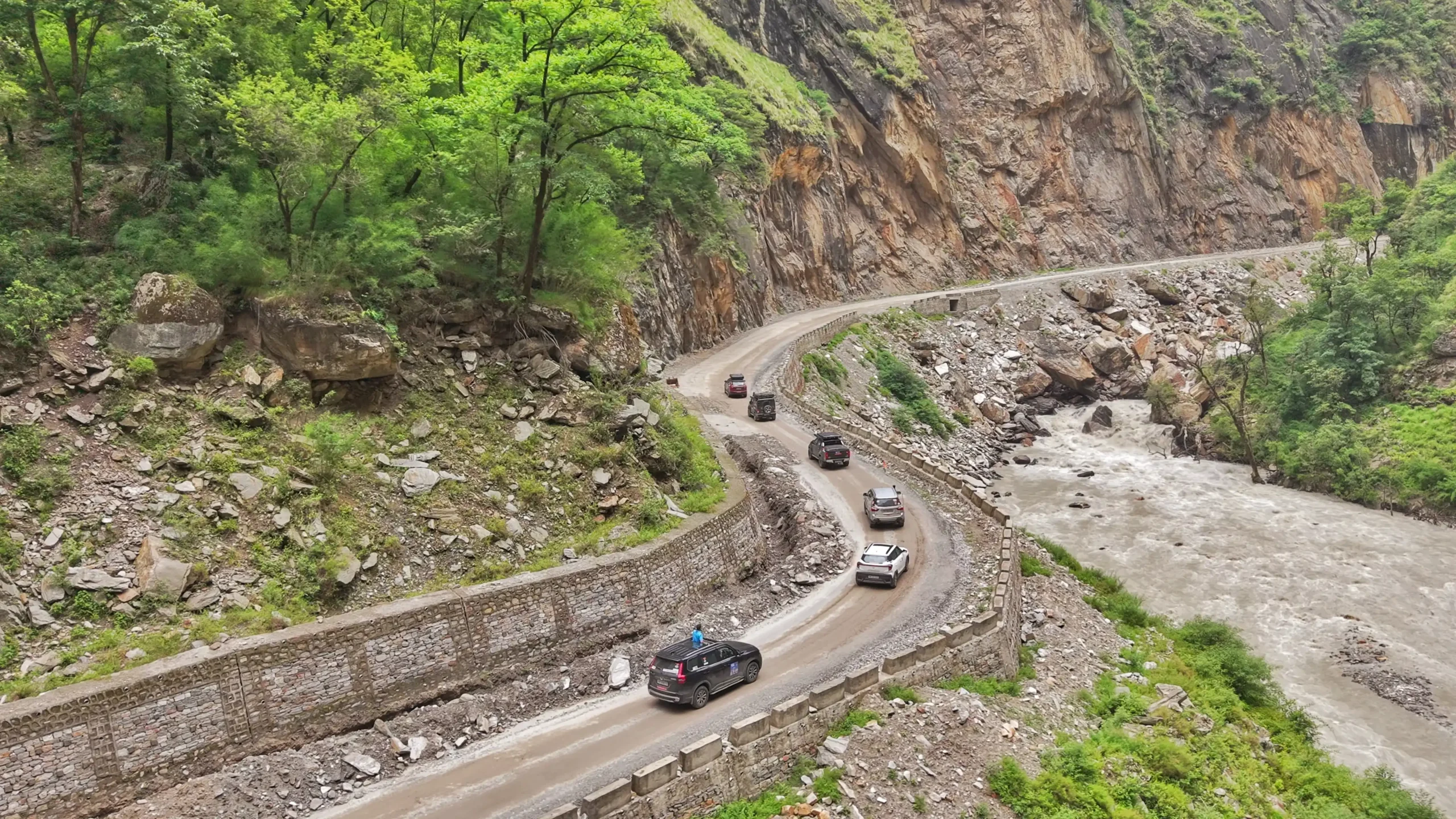
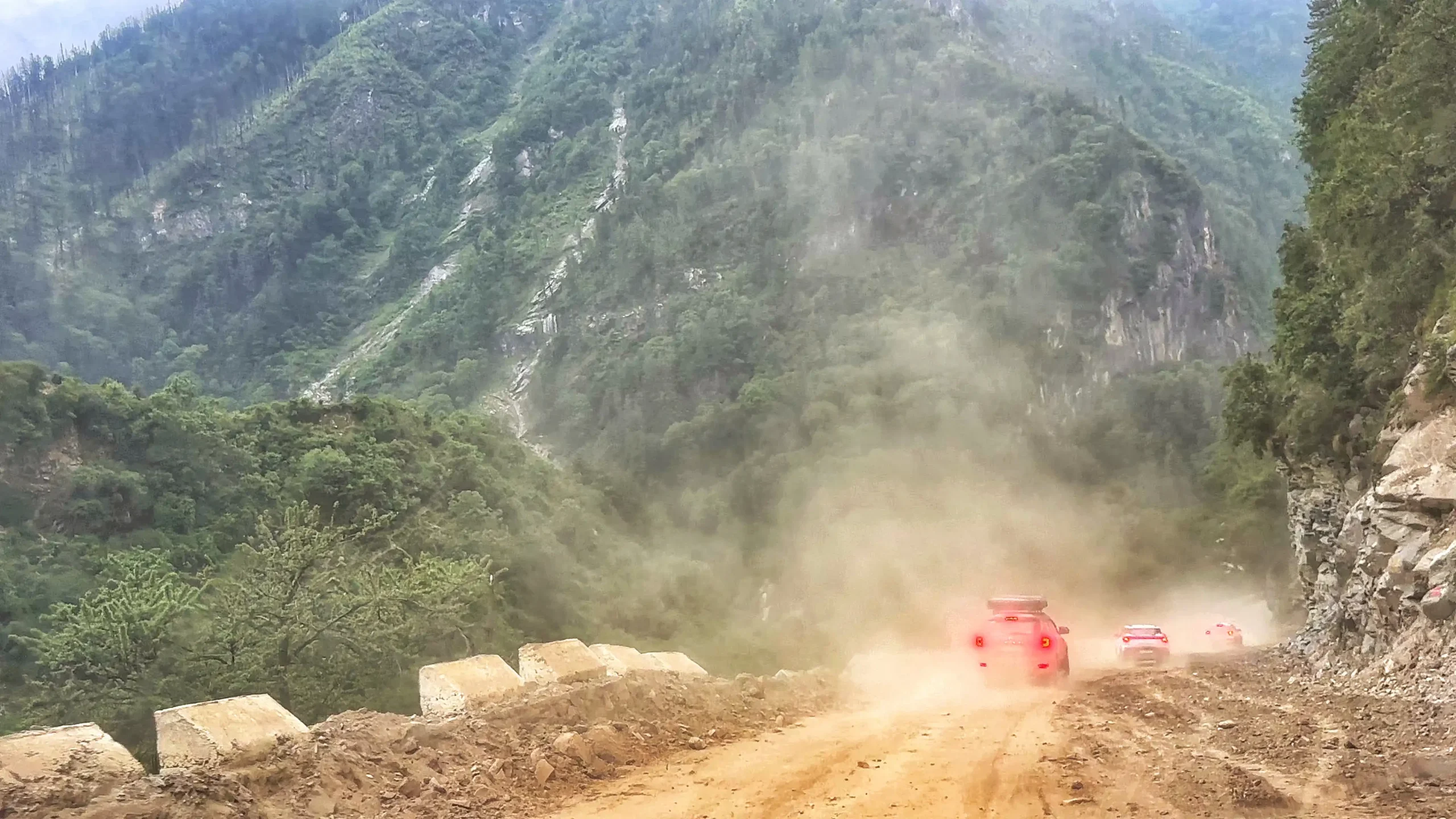
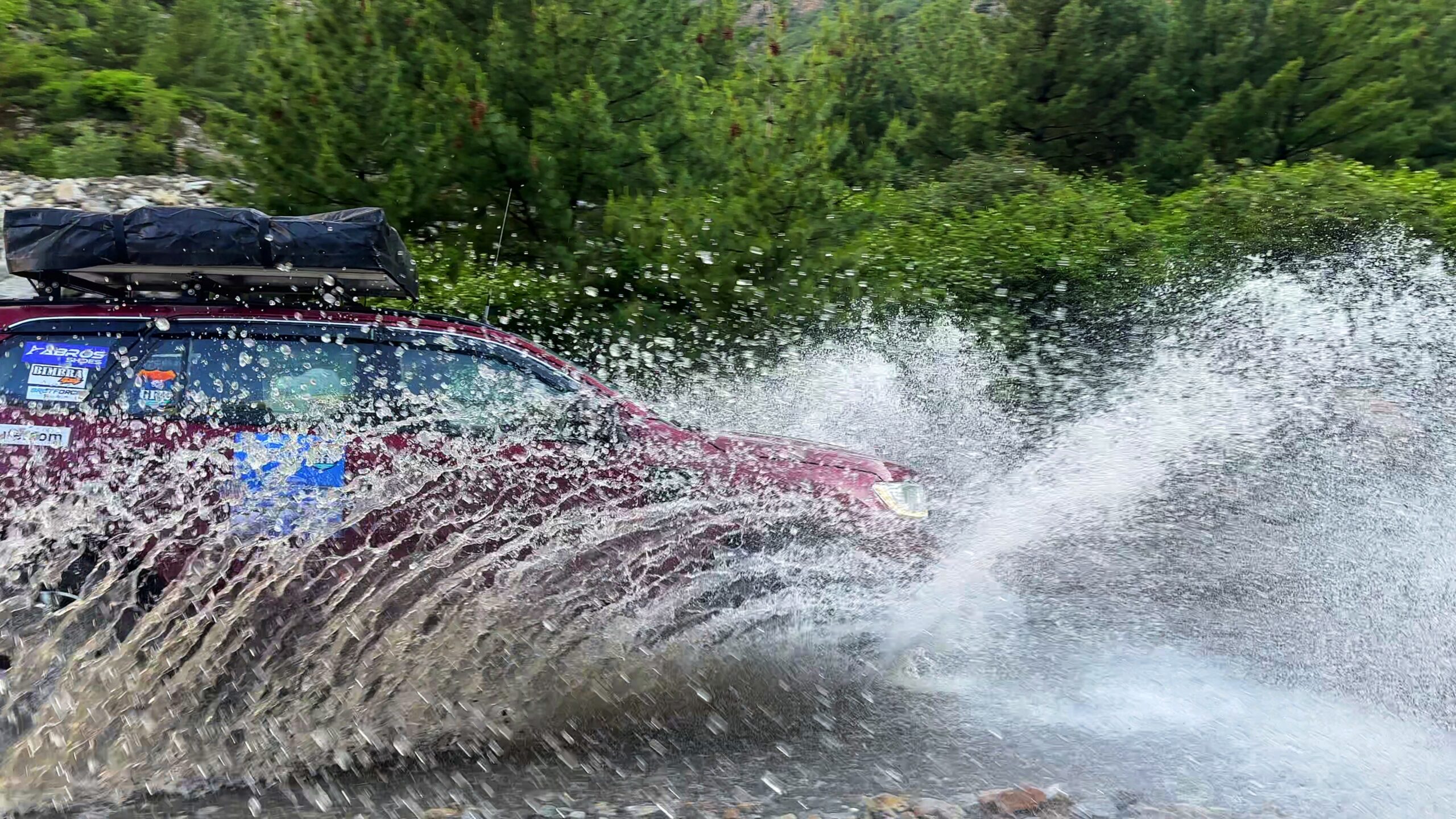
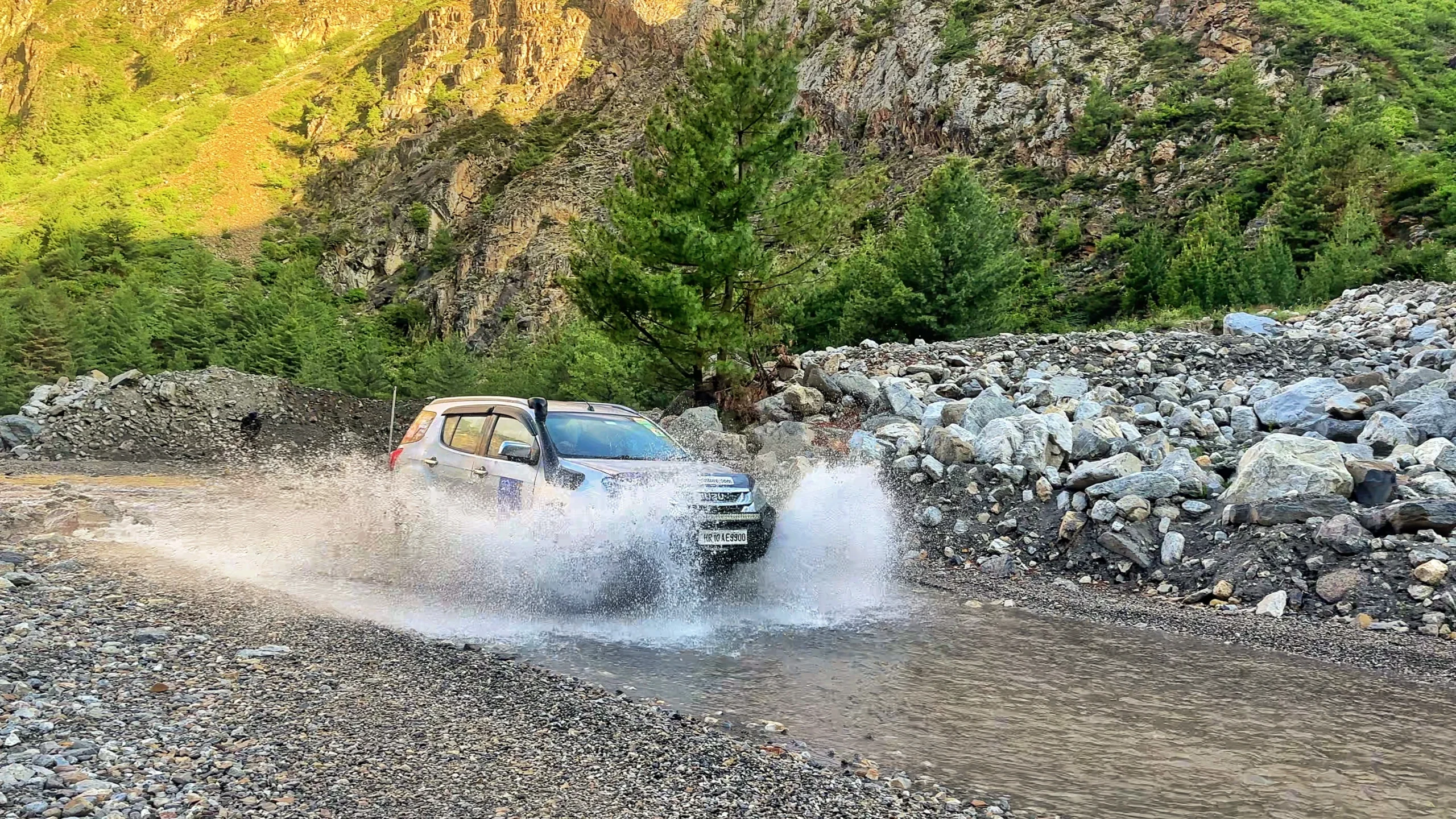
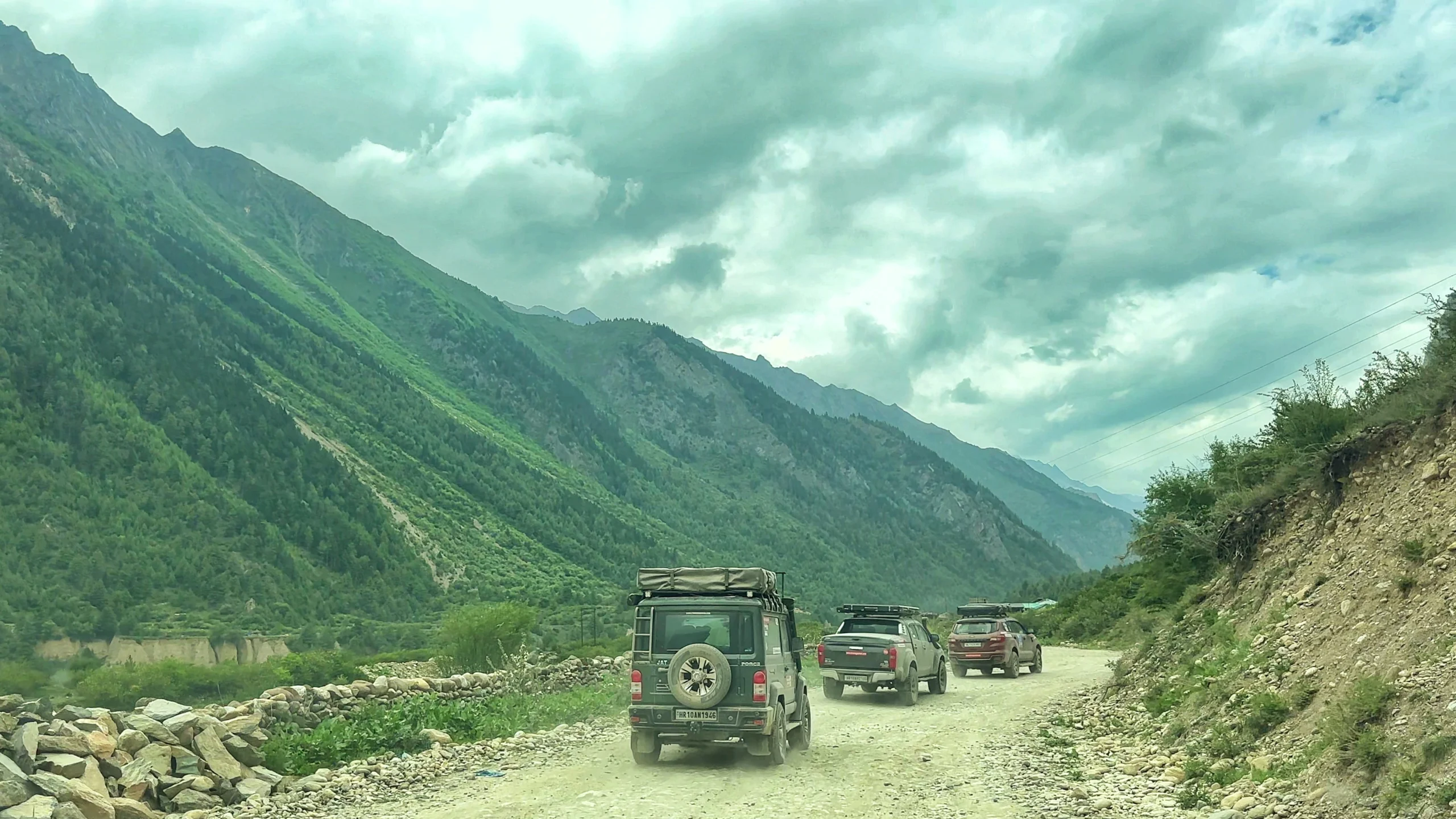
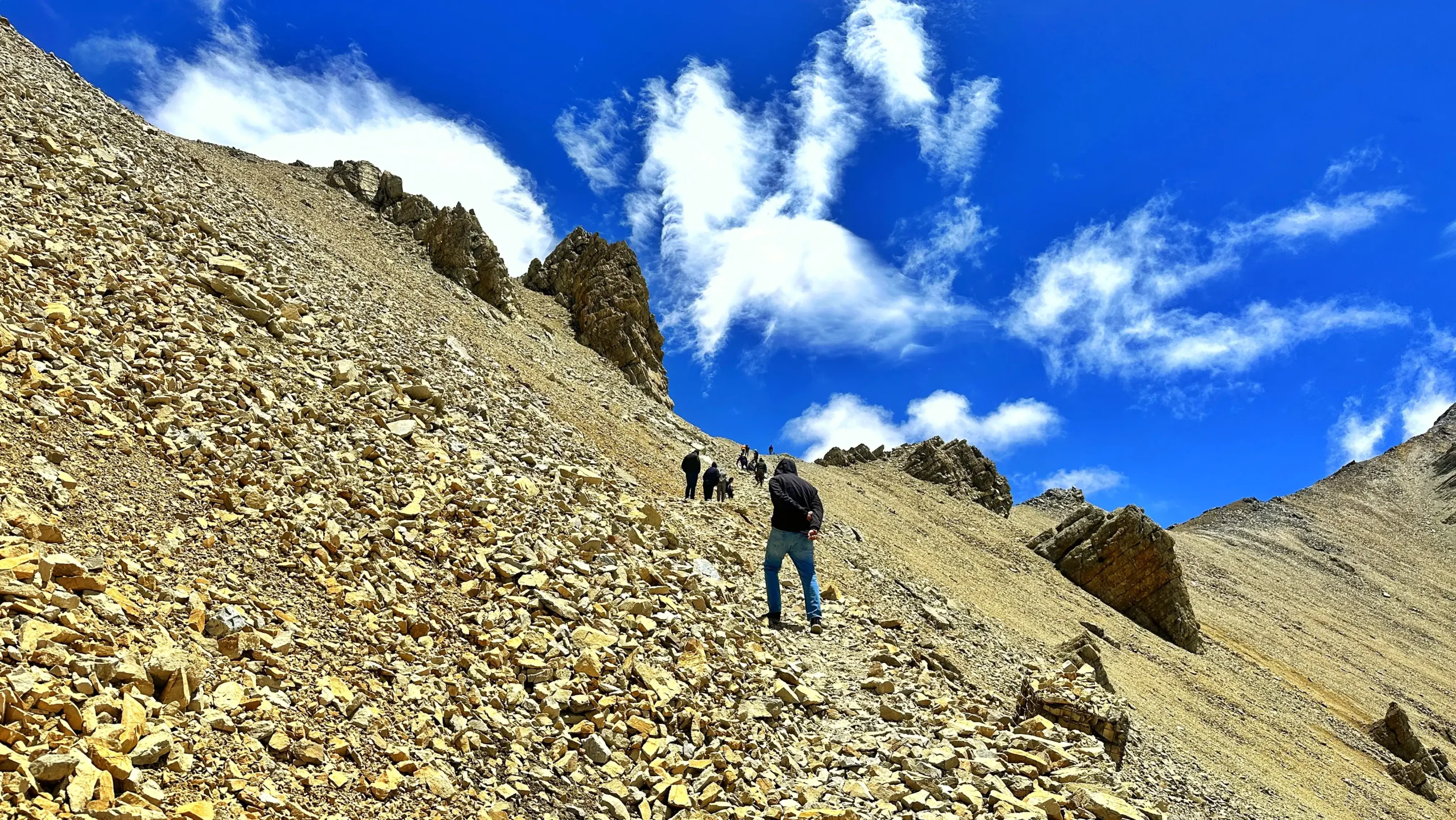
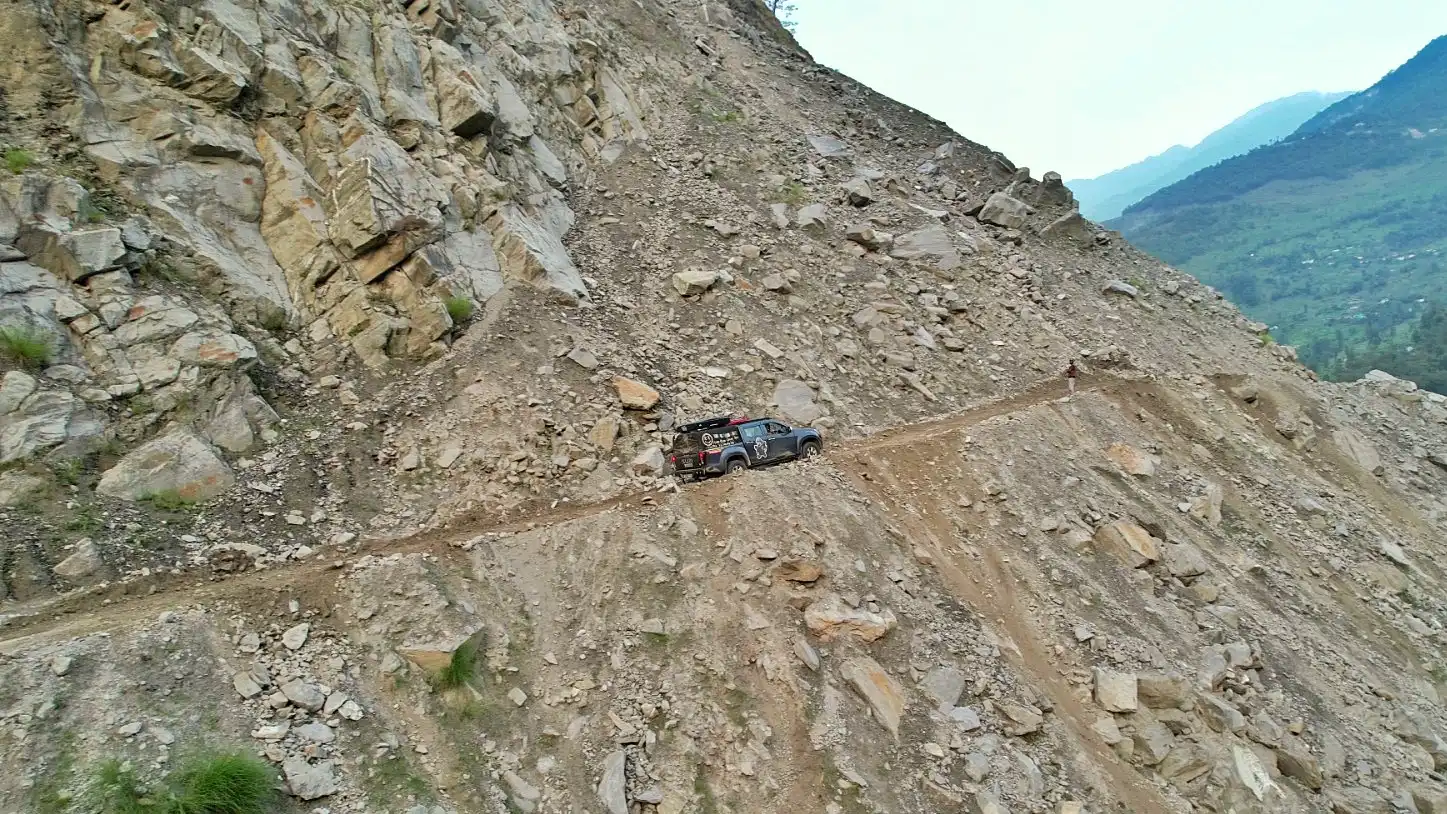
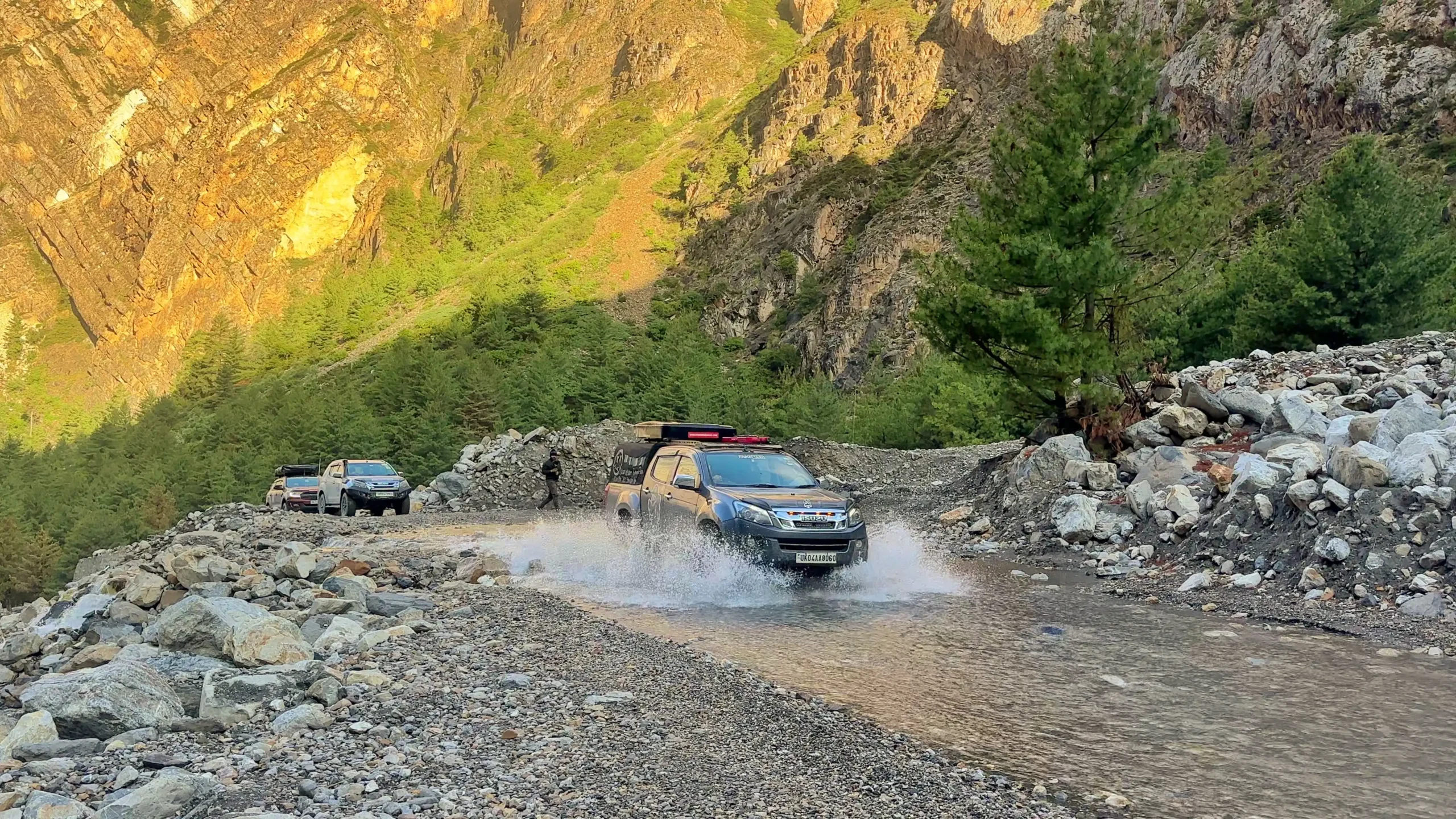
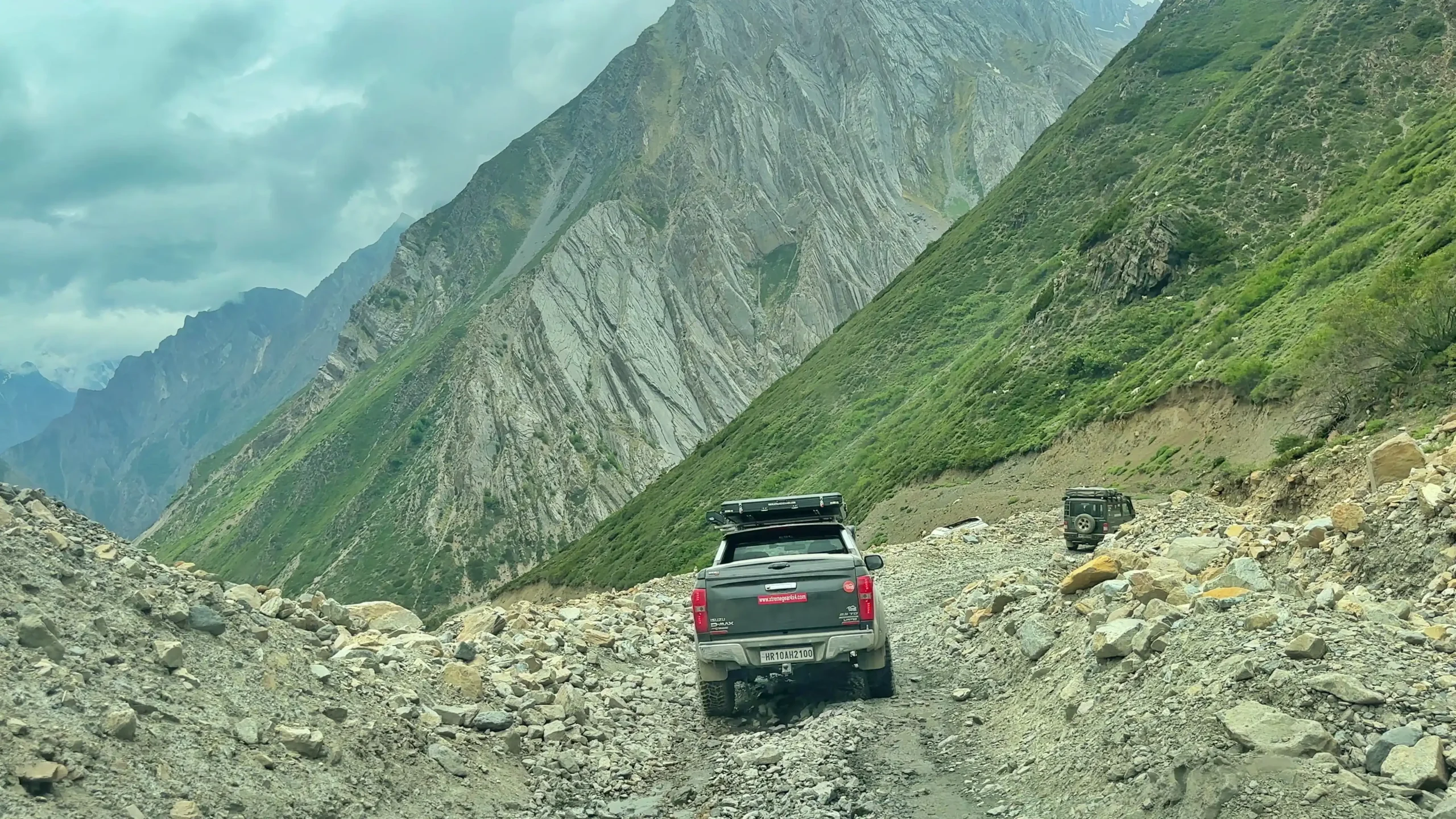
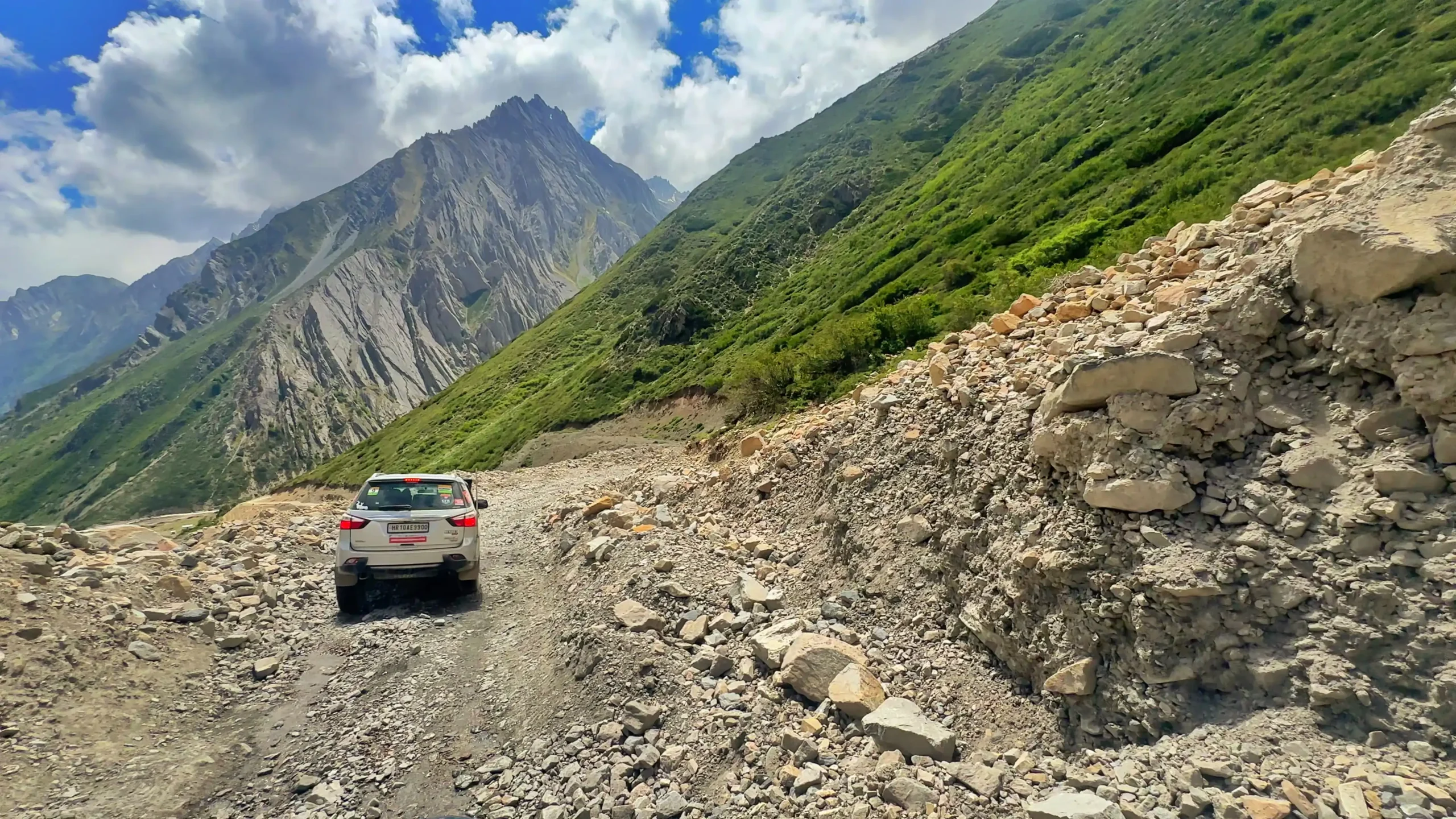
The route via Pithoragarh and Dharchula has sections of narrow mountain roads, river crossings, and some landslide-prone stretches during monsoon. High ground clearance is mandatory. The road beyond Gunji to Jolingkong base is a trek as vehicles cannot proceed further.
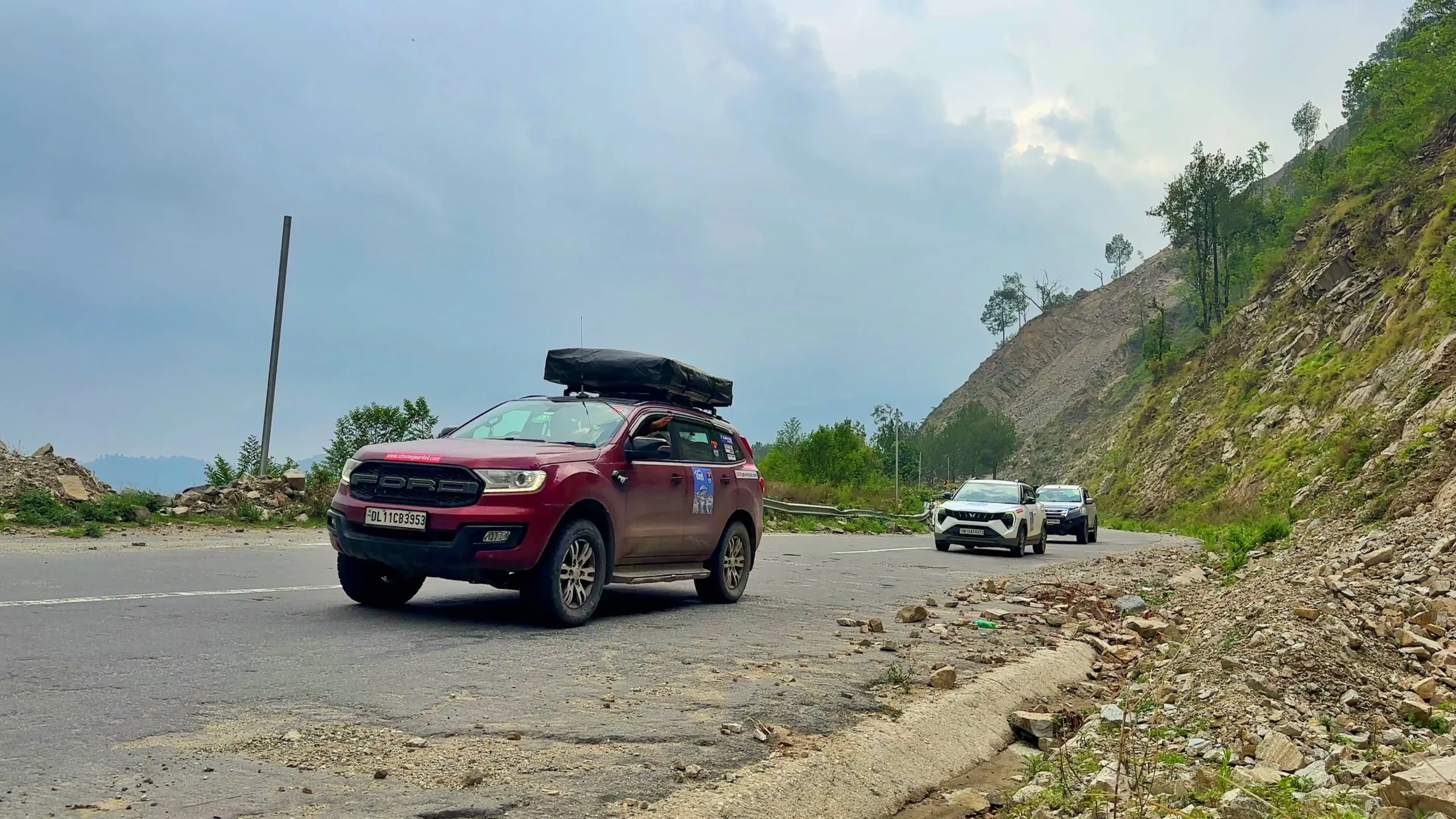
High ground clearance is essential. Recommended vehicles include Mahindra Thar, Scorpio N, Fortuner, and similar SUVs. Standard hatchbacks and sedans are not suitable for sections beyond Dharchula. Four-wheel drive is preferred but not always mandatory on all sections.
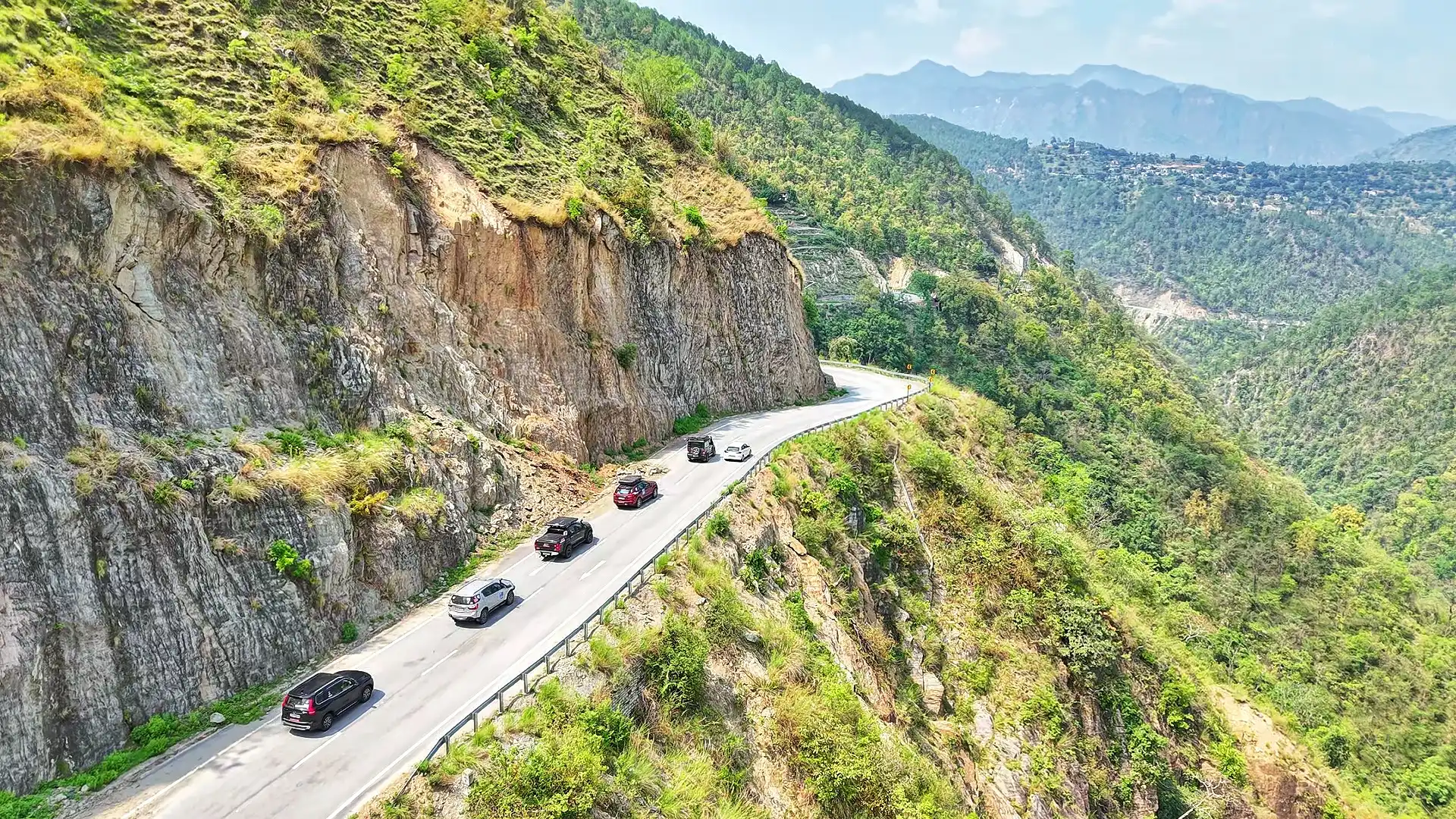
Approximately 600 to 650 km from Delhi to Dharchula via Haldwani and Pithoragarh. We drive in stages across 5 days, spending nights at key stops to acclimatise and explore. The journey itself through Kumaon is scenic and rewarding.
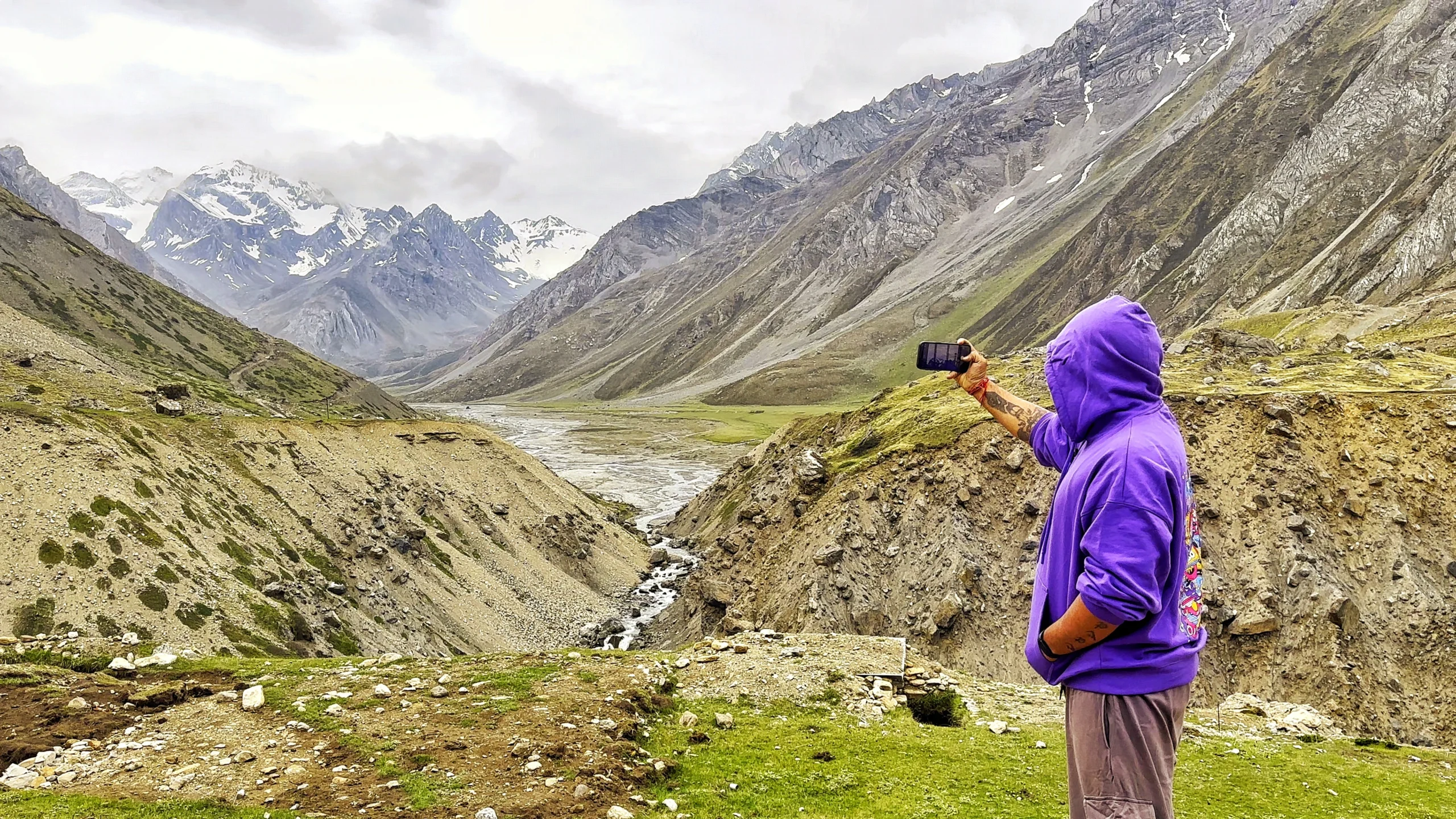
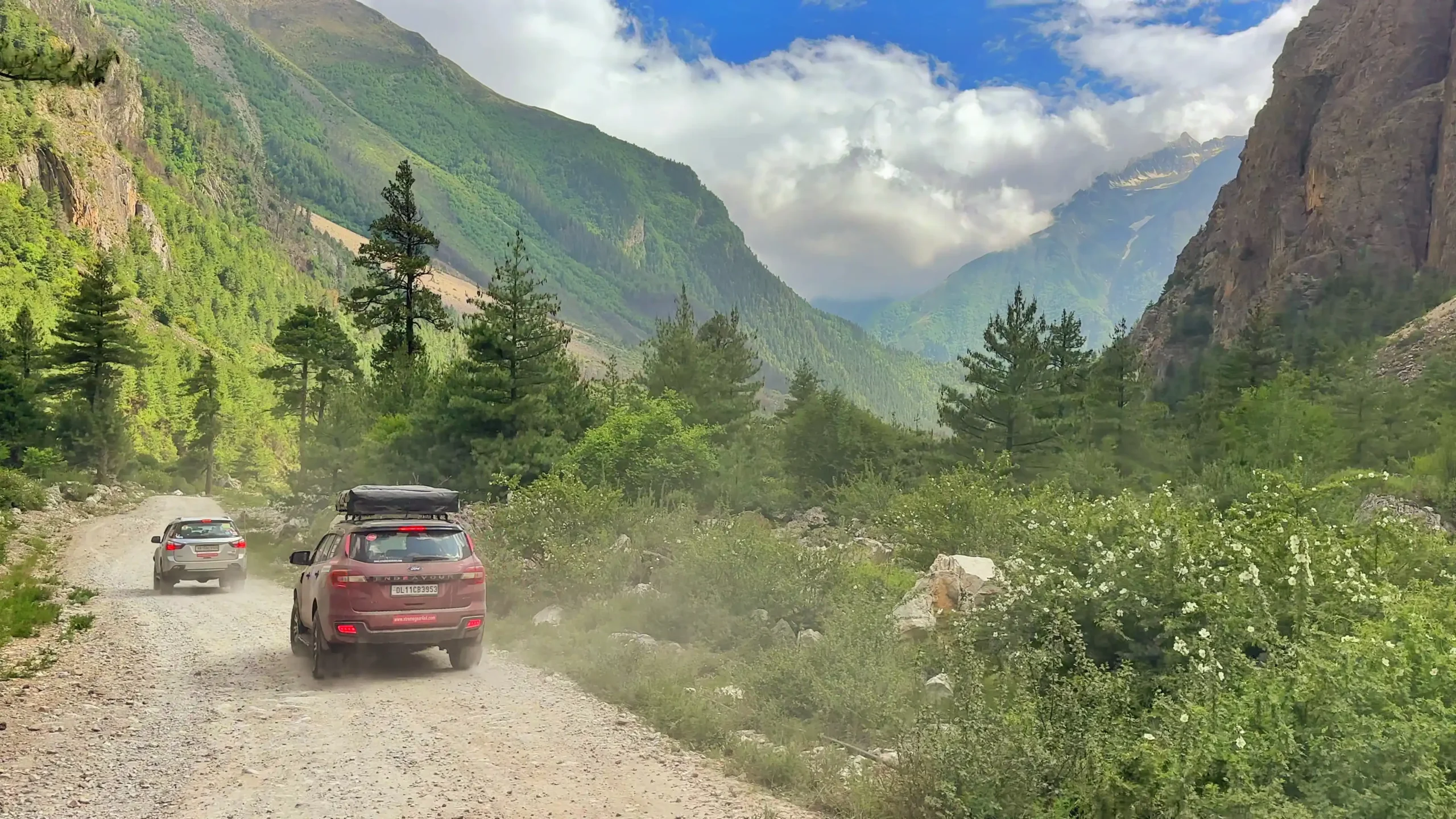
Absolutely. While the destination holds deep spiritual significance, the route through Kumaon, the raw Himalayan scenery, ancient villages, and the rare Om Parvat snow formation make it equally compelling for adventure travellers and photographers.
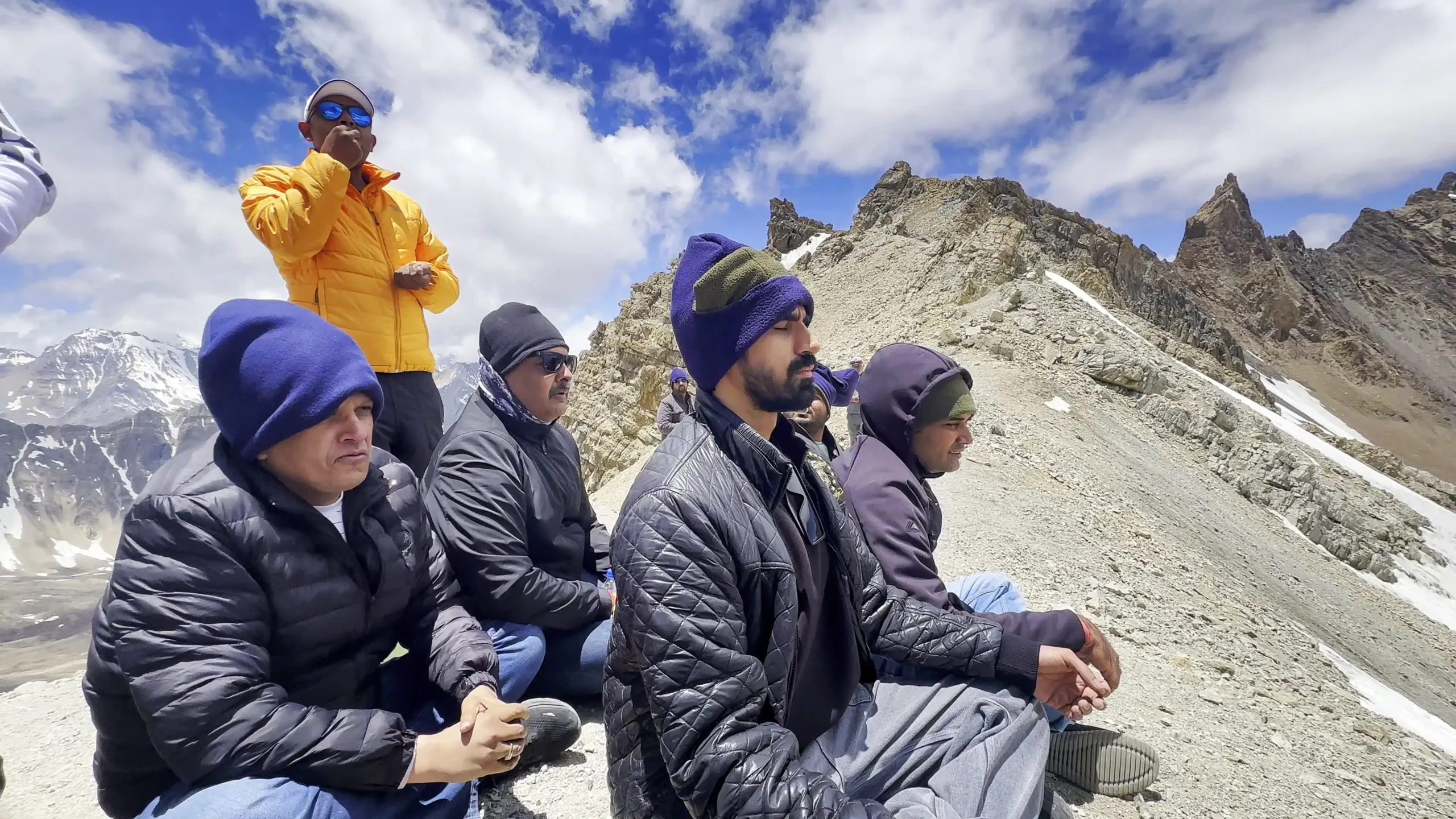
Jolingkong, the base area of Adi Kailash, sits at approximately 4,500m. Om Parvat viewpoint is at similar altitude. Acclimatisation is built into the itinerary. Mild altitude symptoms are common but manageable with hydration and rest.
May to June and September to October are ideal. The route is not accessible in winter due to snow. Monsoon (July-August) brings landslide risk especially on the Dharchula approach road. Our expedition is timed for maximum road safety and clear mountain views.
It is the shortest and most spiritually charged expedition in the FreeWheel lineup at 4 nights and 5 days. It combines driving, light trekking, ancient Kumaoni culture, and rare Himalayan scenery. Ideal as a first high-altitude self-drive for those wanting something beyond standard hill stations.
Get early access to new expeditions, surprise slots, and stories from the road — before anyone else.
Join our broadcast list — be the first to know about new expeditions, early bird slots, and route updates. No spam, only road stories.
Join Broadcast List+91 78178 38060 · We reply within 4 hours