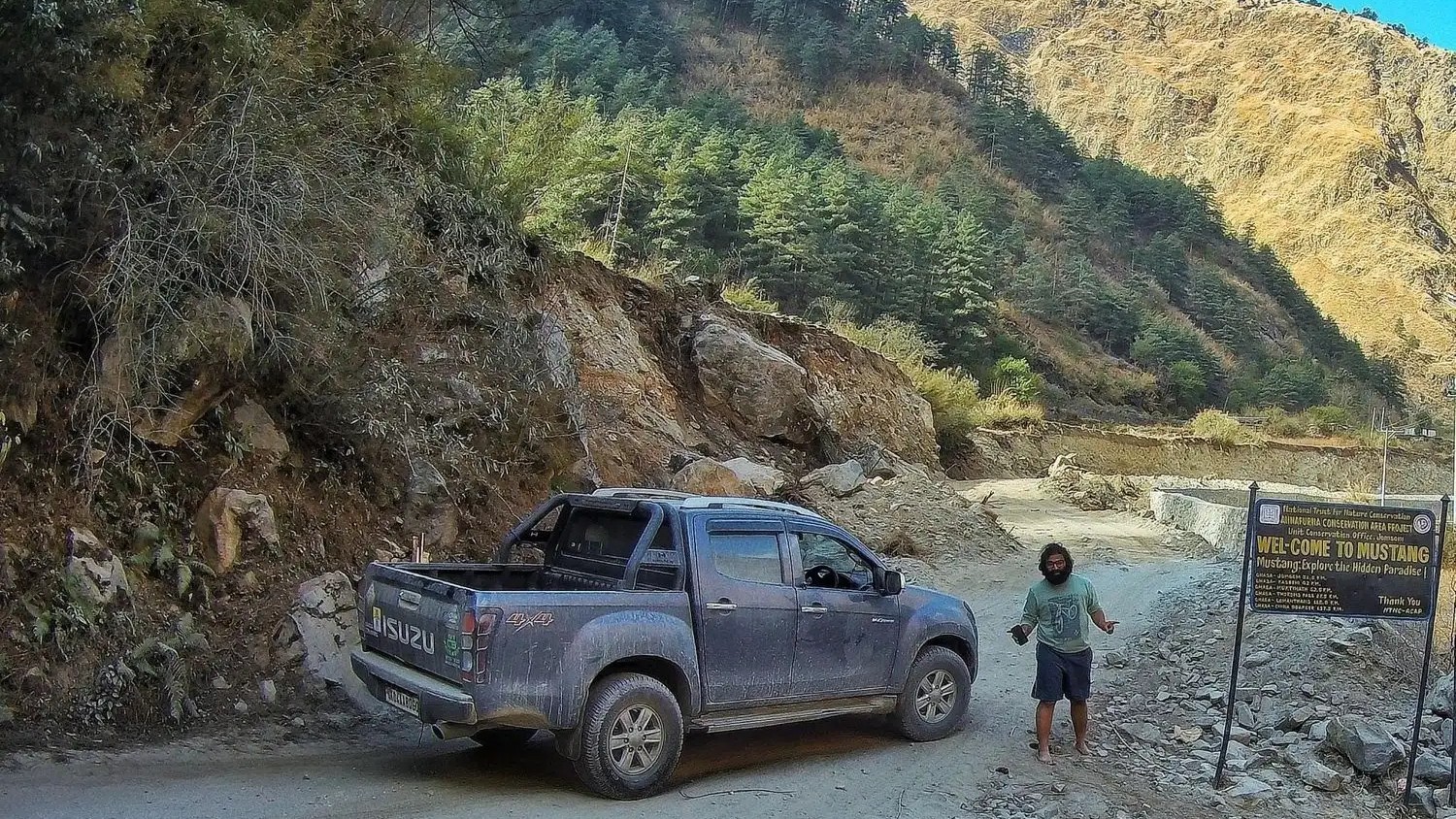
Pokhara to Muktinath and Upper Mustang – A Self-Drive Expedition Through Nepal 2026
From Pokhara's lakeside calm to the edge of the Forbidden Kingdom on your own terms.
There's a moment somewhere on the road to Upper Mustang where the landscape stops looking like Nepal and starts looking like the surface of another planet. The green terraces and rhododendron forests have long since disappeared behind you. What's left is raw wind, red cliffs, and a silence so complete you can hear your own engine echo off canyon walls.
That moment is worth every kilometre of planning.
The Pokhara–Muktinath–Upper Mustang self-drive expedition is one of those rare routes that delivers on every front: spiritual depth, driving challenge, visual drama, and the kind of remoteness that resets your brain. This isn't a scenic drive with a mountain backdrop. It's a full expedition through landscapes that most travellers never reach, precisely because getting there demands something from you.
Why Drive It Yourself?
Because being a passenger here would feel like a waste.
A self-drive format puts you in direct contact with the road, the loose gravel on a blind switchback, the river crossing you approach cautiously, the high pass you crest to find the entire Himalayan range laid out in front of you. These aren't experiences you absorb through a bus window.
Travellers who've done this route talk about it differently from their other trips. Not just "we saw the mountains" but "we drove through the mountains" through dust storms at 3,800 metres, through medieval villages where the road is also the main street, through landscapes that haven't changed much in five hundred years.
The self-drive format also gives you something conventional tours rarely offer: genuine flexibility. Linger at a monastery that wasn't in the itinerary. Stop when the light hits a canyon wall at a strange angle. Take the longer road because it looked more interesting. These decisions small and cumulative are what make a trip feel like yours.
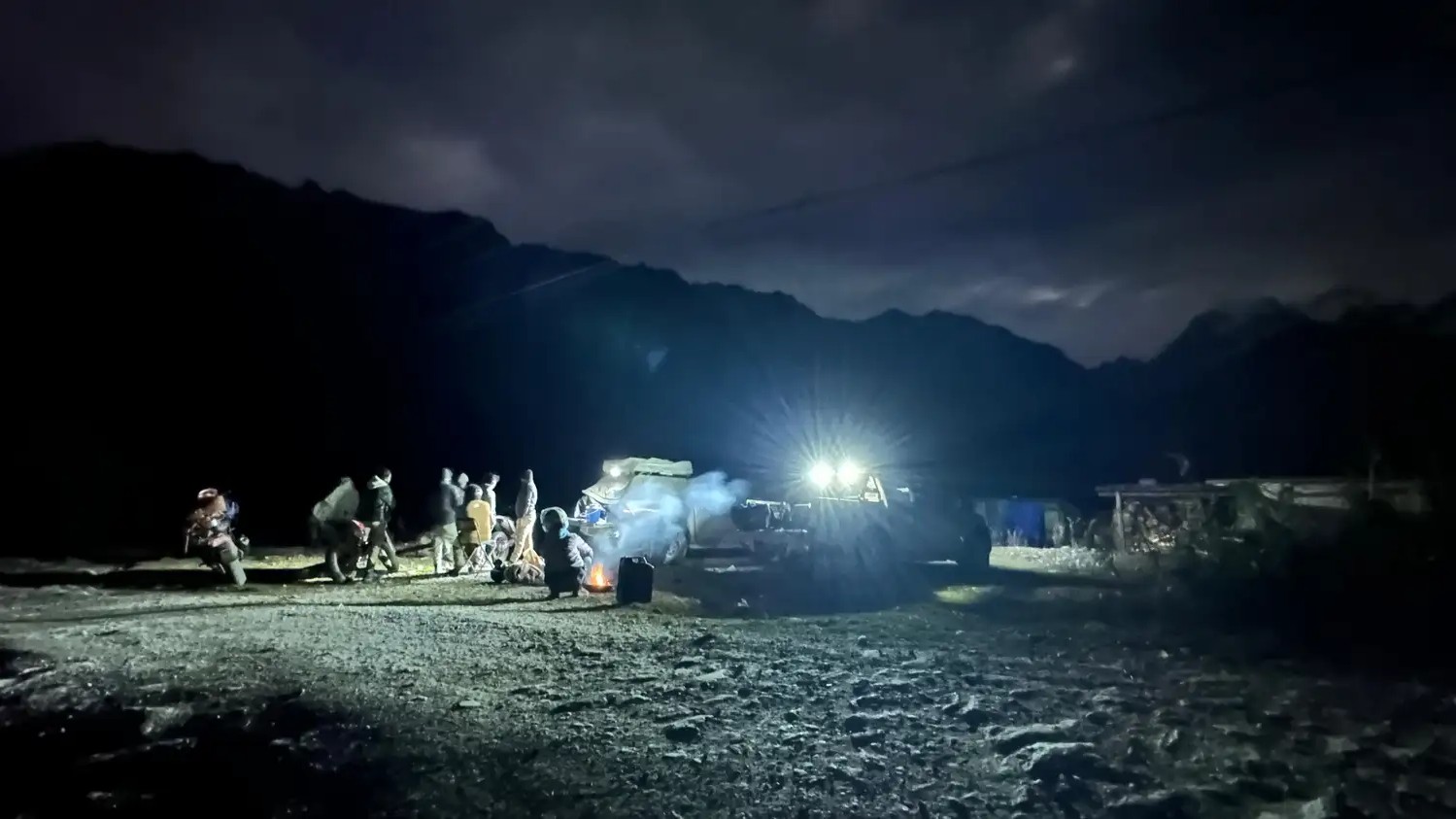
The Route
Pokhara – A Deceptively Relaxed Start
Pokhara earns its reputation as one of Nepal's most beautiful cities, and spending a day or two here before the expedition is time well used. The Phewa lakeside atmosphere, the Annapurna skyline at dawn, the good food all of it is genuinely lovely.
But Pokhara also works on you in a subtler way. You can see the mountains from here. You know, roughly, that you're going to drive into them. There's an anticipation that builds even before you leave the city.
Muktinath – Where the Road Earns Its Reputation
The drive to Muktinath is where the route reveals its character. You pass through the deep Kali Gandaki gorge one of the deepest in the world along river valley tracks, past stone villages where the architecture blends seamlessly with the surrounding rock.
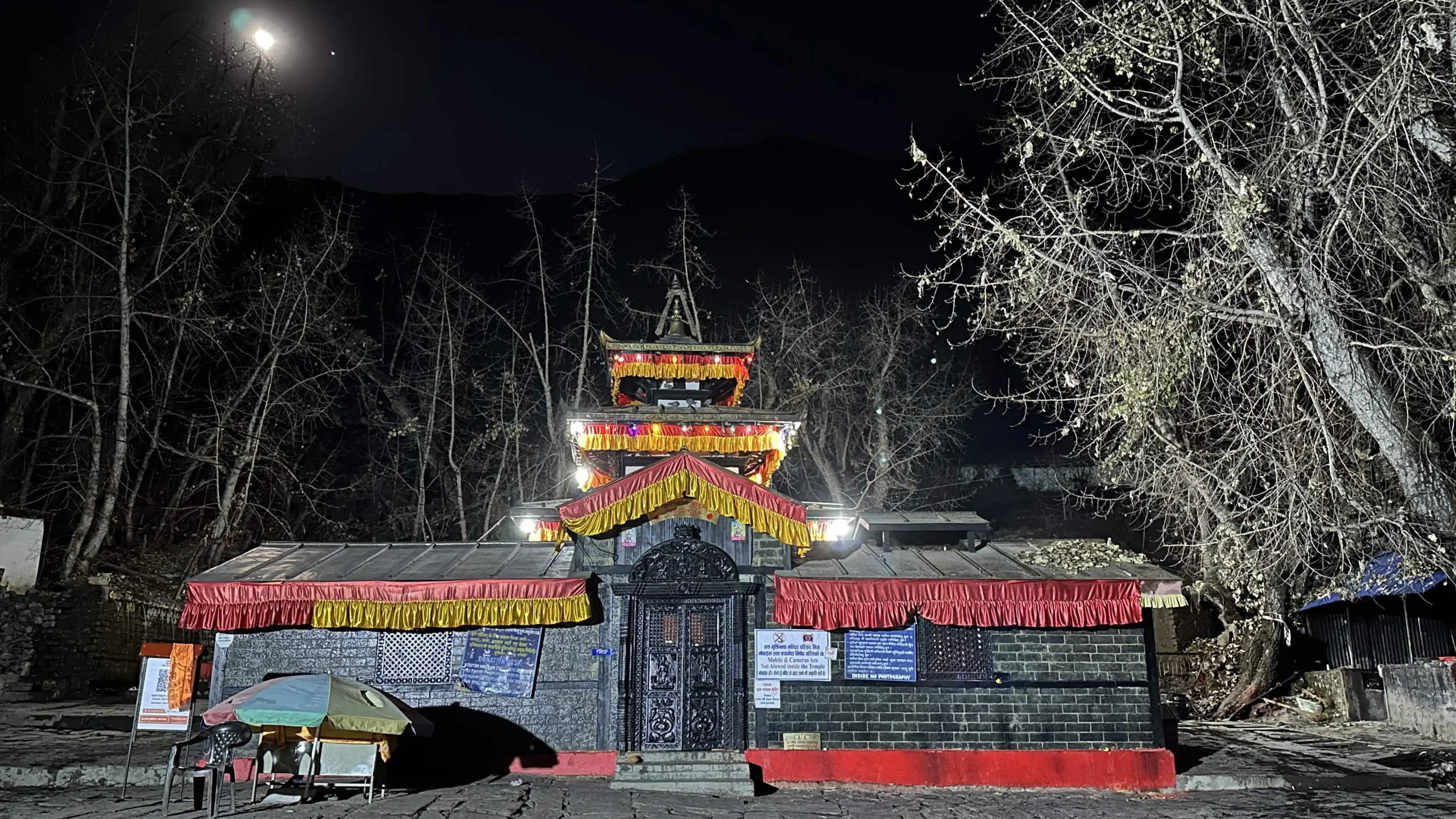
Muktinath itself sits at around 3,800 metres. It's a pilgrimage site of enormous significance for both Hindus and Buddhists, and the atmosphere reflects that prayer flags, temple bells, the quiet purposefulness of people who've made difficult journeys to be there. The drive up earns you that feeling too.
The Annapurna and Dhaulagiri ranges frame the horizon in a way that makes the altitude feel genuinely vertiginous. It's one of those views that doesn't quite look real until you're standing in it.
Upper Mustang – The Part That Changes Things
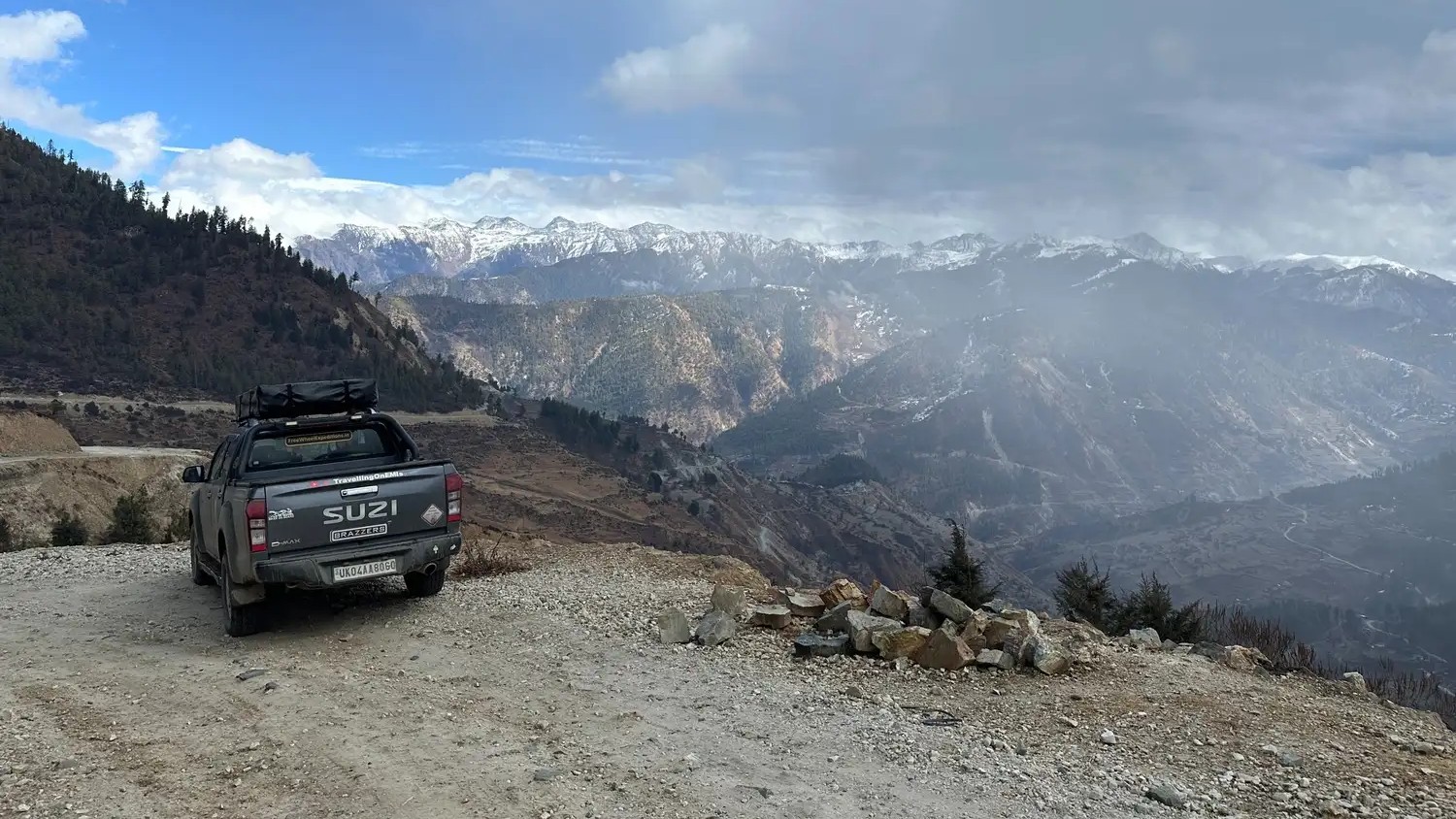
Upper Mustang is where the expedition becomes something harder to explain.
The landscape here is trans-Himalayan technically in the rain shadow of the Himalayas, which means it gets almost no monsoon rainfall. The result is a desert environment of layered cliffs, eroded canyons, ancient cave systems, and open plateau that looks more like Tibet or the American Southwest than anything you'd expect to find in Nepal.
Lo Manthang, the historic walled capital, is the kind of place that makes you recalibrate your sense of how old "old" can be. The city walls have been standing for six centuries. The monasteries inside contain murals and thangkas that predate most European Renaissance art. And until 1992, the entire region was closed to outsiders entirely which goes some way toward explaining how well-preserved it all is.
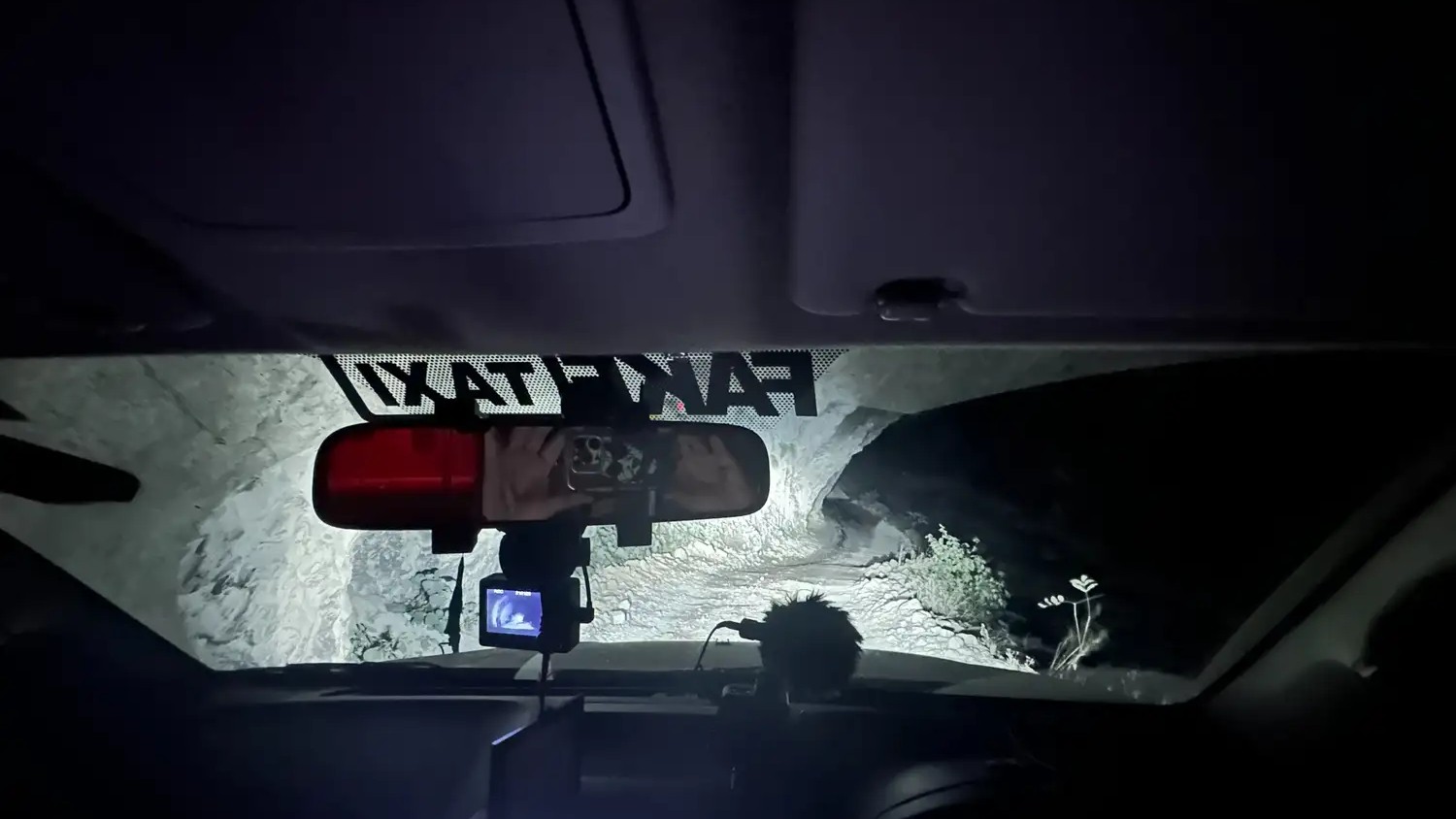
The roads in Upper Mustang are demanding. They're also extraordinary. This is overland driving at its most elemental: no guardrails, no GPS signal, no shortcuts. Just the route, your vehicle, and the landscape doing everything it can to hold your attention.
What the Drive Actually Feels Like
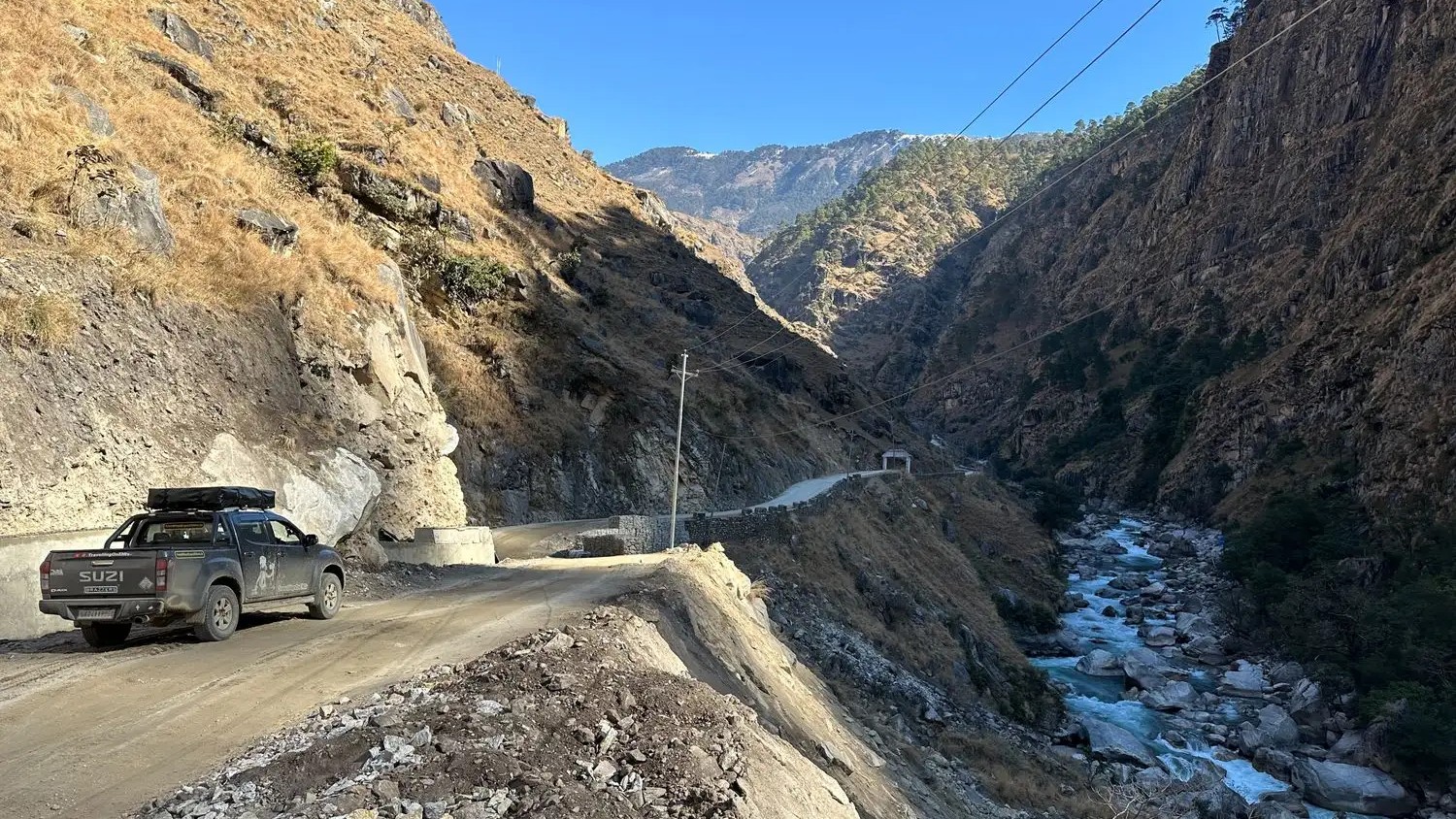
The terrain shifts dramatically across the expedition. Near Pokhara, you're on reasonable mountain roads winding but manageable. As you move toward Jomsom and Muktinath, the surface gets looser, river crossings appear, and altitude starts to be a factor in how your vehicle behaves. Into Upper Mustang, the roads become genuinely remote rocky tracks, soft sand sections, steep descents into valleys with nothing around for kilometres.
A 4x4 with good clearance isn't just recommended. On the Upper Mustang section, it's essential.
Culture Along the Way
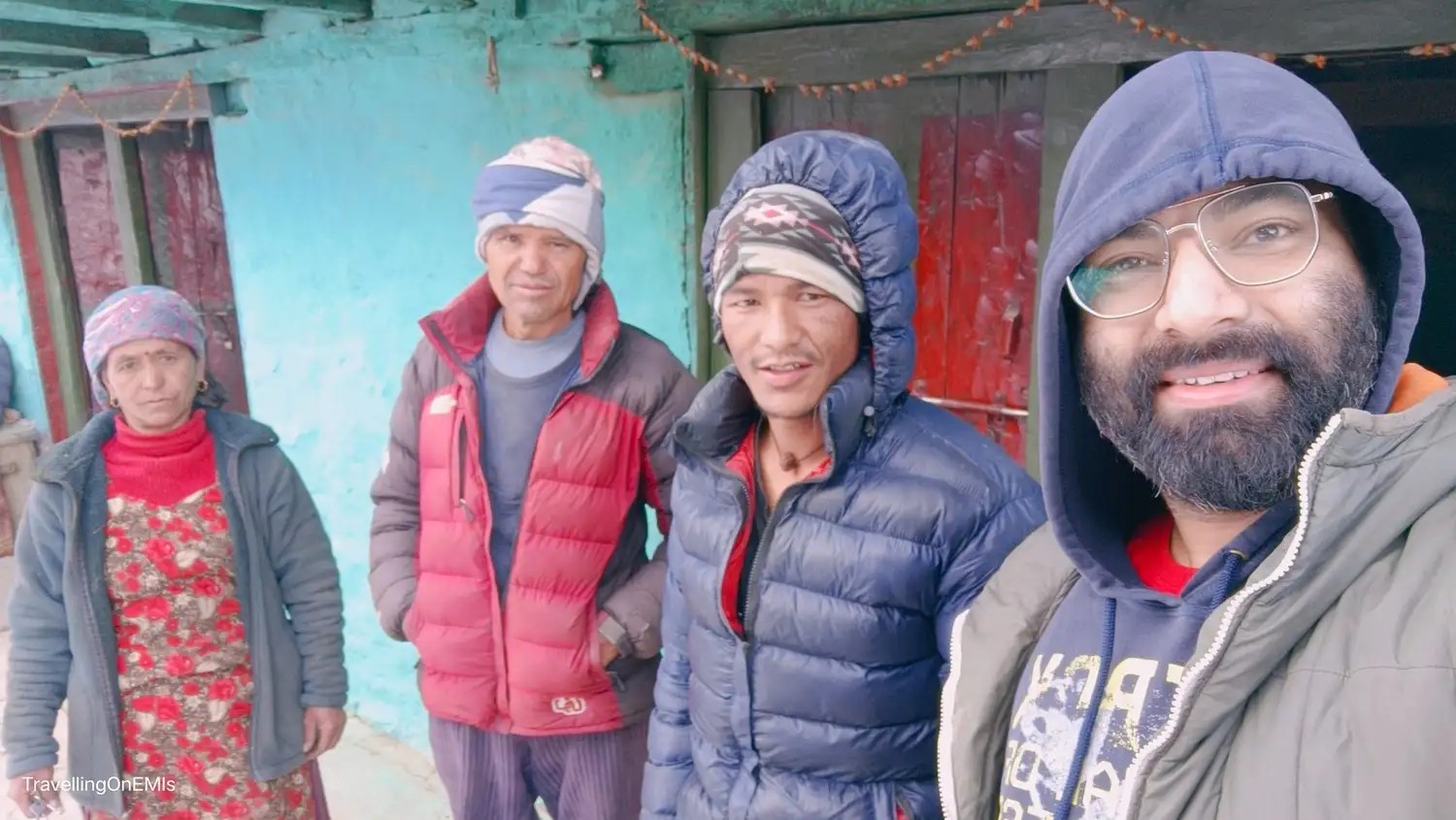
Upper Mustang is one of the best-preserved examples of Tibetan Buddhist culture anywhere in the world better preserved, in many ways, than parts of Tibet itself. You'll pass through villages where residents wear traditional dress, where trade and agriculture still follow centuries-old rhythms, where Buddhism isn't a heritage activity but the living framework of daily life.
Monasteries appear at unexpected moments perched on cliff faces, tucked into village squares, visible from the road as you descend into a valley. It adds genuine weight to what could otherwise be just a very good road trip.
When to Go
Spring (March–May) and Autumn (September–November) are the two clear windows. Both offer stable weather, manageable road conditions, and the kind of visibility that does justice to the mountain scenery. Avoid the monsoon months the access roads can be hazardous, and it's not worth the risk.
Permits and Practicalities
- Upper Mustang requires a restricted area permit arrange this well in advance
- High-clearance 4x4 is non-negotiable for the Upper Mustang section
- Carry spare fuel; reliable stations become sparse deep into the route
- Build buffer days into your itinerary mountain weather changes fast
- Layer your clothing; temperature swings at altitude are extreme
- Acclimatise properly before pushing toward Muktinath and beyond
Why Go with Freewheel Expeditions?
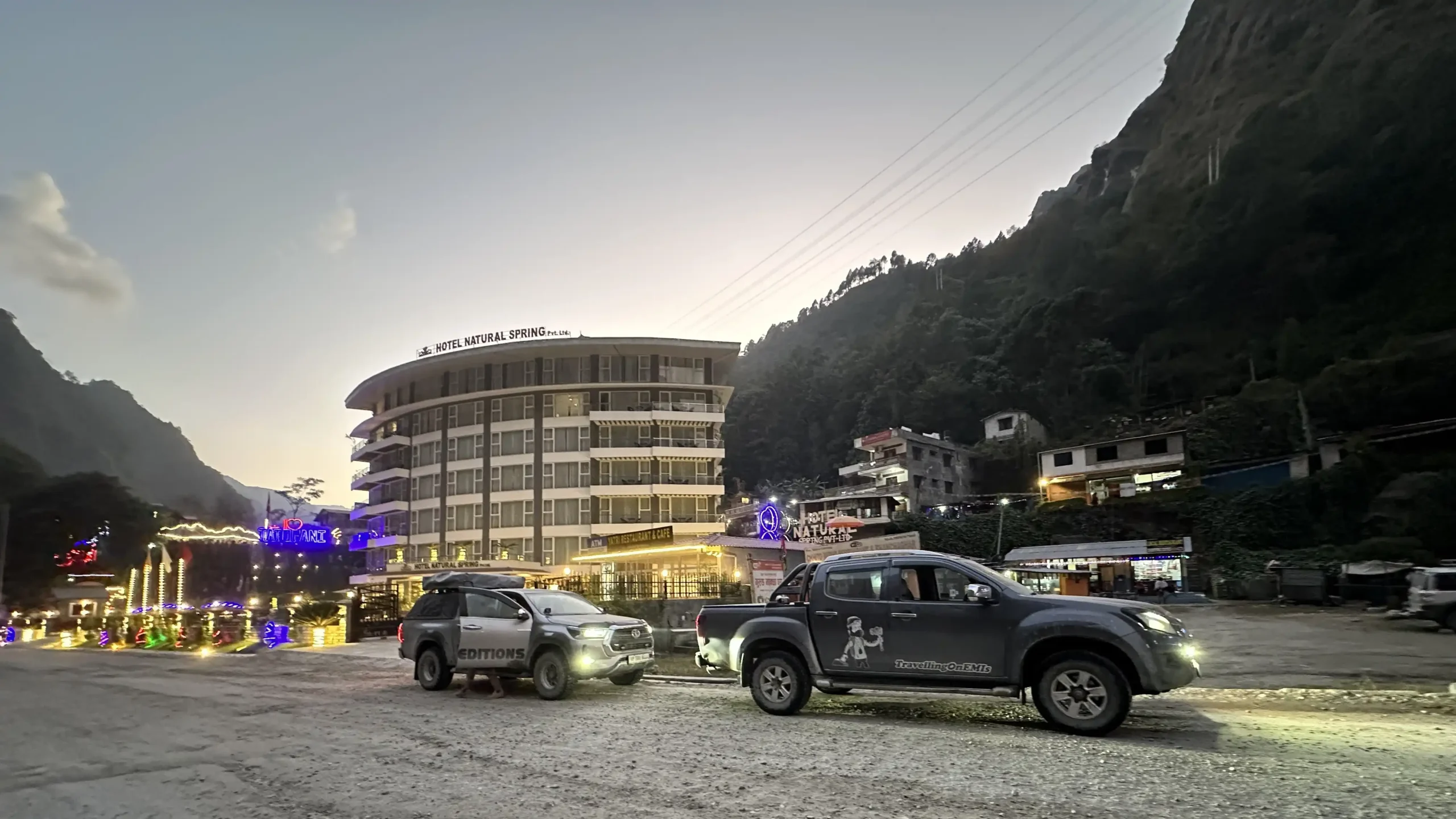
Upper Mustang isn't the kind of place where you want to be improvising your logistics. Permits, route knowledge, fuel planning, accommodation in remote areas, contingency options when weather changes plans these details matter, and getting them wrong costs days.
Freewheel Expeditions organises self-drive journeys specifically for travellers who want the freedom of driving their own route without the stress of building that infrastructure from scratch. You keep the independence and the wheel. We handle the framework.
There are easier ways to see the Himalayas. But the self-drive expedition offers something different: the accumulation of effort, decision, and terrain that makes a destination feel genuinely arrived at rather than merely visited. Upper Mustang rewards difficult access. The fact that it takes real driving to reach it is part of why it still feels like the edge of the world when you get there.
No comments yet. Be the first to share your thoughts.
Leave a Comment